


How and when can I contact customer service?

Commit to Wellness


See What Our Customers Have To Say



Aaron W.
Verified Purchaser
Vicki H
Verified Purchaser
Jill P
Verified Purchaser
Best Sellers
Not Sure Where To Start?

Why 1,000,000+ customers trust Ocean


Save Big With Organics Ocean's Bundles

Ocean Was Born Out of Devastation, But With A Clear Purpose

Helping Students Thrive
And Bringing Clean Water

Clean & Transparent Products
New Wellness Articles Weekly

You rely on calcium and vitamin D3 every day to keep bones strong, muscles working, and nerves communicating clearly. These nutrients work as a pair, and problems start when one falls short. Understanding how they function together helps you make better choices for long-term health.
Calcium builds and maintains bone structure, and vitamin D3 helps your body absorb and use that calcium efficiently. When you balance both, you support skeletal strength and reduce the risk of deficiency-related issues that often develop quietly over time.
This article breaks down what these nutrients do, where to get them, how much you actually need, and when supplements make sense. You will also learn who faces higher risk of deficiency and how consistent intake affects health as you age.
Fundamental Roles of Calcium and Vitamin D3
Calcium and vitamin D3 work together to regulate bone mineralization, muscle function, and blood chemistry. You rely on calcium for structural strength, while vitamin D3 controls how effectively your body absorbs and uses that calcium.
How Calcium Supports the Body
Calcium serves as the most abundant mineral in your body, with about 99% stored in bones and teeth. This reserve maintains bone density and protects bone mineral density as you age.
Outside the skeleton, calcium plays active roles in daily physiology. You need it for muscle contraction, including the heartbeat, and for nerve signal transmission. Calcium also enables normal blood clotting by activating key clotting factors.
| Key function | Why it matters |
|---|---|
| Bone structure | Maintains strength and bone mineral density |
| Muscle function | Supports movement and cardiac rhythm |
| Blood clotting | Helps prevent excessive bleeding |
When dietary intake falls short, your body pulls calcium from bone tissue. Over time, this process weakens bone health and increases fracture risk, especially if vitamin D levels remain low.
Vitamin D3 and Calcium Absorption
Vitamin D3 directly controls how much calcium you absorb from food. Without enough vitamin D3, your intestines absorb significantly less calcium, even if intake appears adequate.
After skin or dietary intake, vitamin D3 converts to its active form and signals intestinal cells to transport calcium into the bloodstream. This mechanism explains why clinicians often discuss vitamin D and calcium together.
Vitamin D3 also helps maintain stable blood calcium levels. When levels drop, it works with parathyroid hormone to increase absorption and release calcium from bone when necessary. This tight regulation protects muscle function and nerve signaling while preventing dangerous imbalances.
Synergistic Benefits for Bone Health
Calcium and vitamin D3 form a biological partnership that directly affects bone mineralization. Calcium provides the raw material, while vitamin D3 ensures efficient delivery and incorporation into bone tissue.
Research consistently shows that combined intake supports higher bone density compared to either nutrient alone. You benefit most when both nutrients remain within recommended ranges, as described in overviews of calcium and vitamin D roles in the body.
This synergy matters across life stages. During growth, it supports skeletal development. In adulthood, it slows age-related bone loss. In older adults, adequate intake helps preserve bone mineral density and reduces the likelihood of fractures linked to weakened bone health.
Dietary Sources and Recommended Intake
You meet calcium and vitamin D3 needs through a mix of whole foods, fortified products, supplements, and sun exposure. Intake targets change with age, sex, and life stage, so knowing specific amounts helps you avoid both deficiency and excess.
Calcium-Rich Foods
You get most dietary calcium from dairy, including milk, yogurt, and cheese, which offer consistent absorption and predictable amounts. If you limit dairy, leafy greens such as kale, bok choy, and collard greens contribute meaningful calcium, though absorption varies by plant type.
Other calcium-rich foods include almonds, tofu made with calcium sulfate, and fortified plant milks. Canned fish with edible bones, such as sardines and canned salmon, add calcium while also providing protein.
Daily needs depend on age and sex. According to recommended calcium intake by age and gender, adult women under 50 and men under 70 need about 1,000 mg per day, while postmenopausal women and older adults generally need 1,200 mg to support bone maintenance.
Natural and Fortified Vitamin D3 Sources
Few foods naturally supply vitamin D3, so diet alone often falls short. Fatty fish such as salmon, sardines, and tuna provide the highest natural amounts. Eggs add small but useful quantities, mainly from the yolk.
Some mushrooms exposed to ultraviolet light contribute vitamin D, though they usually contain D2 rather than D3. Many people rely on vitamin D‑rich foods that are fortified, including dairy milk, plant milks, cereals, and orange juice.
Sun exposure triggers vitamin D3 production in your skin, but latitude, season, sunscreen use, and skin tone affect how much you make. Because food sources remain limited, supplements often fill the gap, as explained in Harvard’s overview of vitamin D food sources and absorption.
Daily Recommended Dosages by Age and Life Stage
Your vitamin D3 needs rise with age due to reduced skin production and absorption efficiency. The recommended dietary allowance for vitamin D is 600 IU daily for most adults and 800 IU for adults over 70, assuming minimal sun exposure.
Calcium requirements also change across life stages. Women over 50, including postmenopausal women, need higher calcium intake to offset bone loss. Men reach higher needs later in life, typically after age 70.
You can take vitamin D supplements with or without food, and you do not need to take them at the same time as calcium. Upper limits matter; excessive intake increases health risks, especially when supplements stack with fortified foods.
Supplementation, Absorption, and Safety Considerations
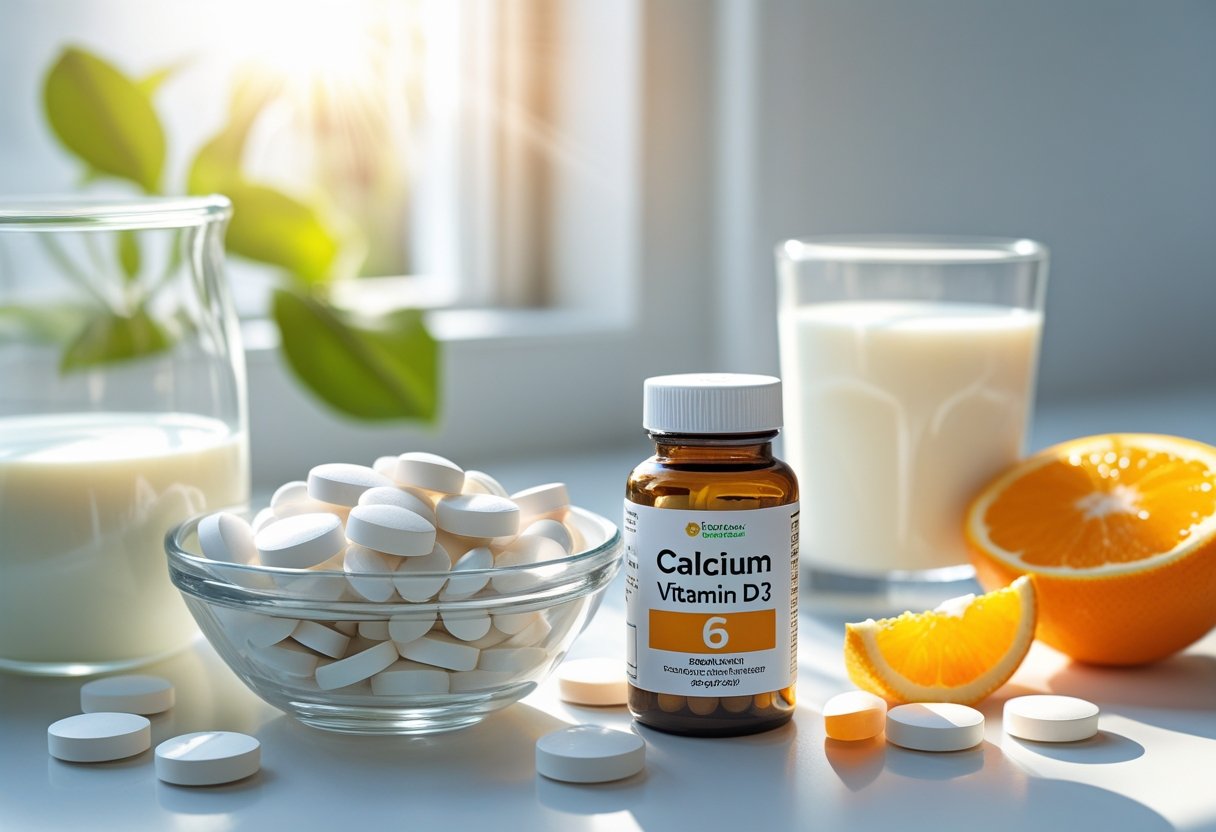
Supplement choice, timing, and dose directly affect how well your body uses calcium and vitamin D3. Safety depends on your health status, other nutrients, and medications, so details matter.
Choosing Calcium and Vitamin D3 Supplements
You will see calcium supplements mainly as calcium carbonate or calcium citrate. Calcium carbonate costs less and works best with food, while calcium citrate absorbs well with or without meals and often suits people with low stomach acid. Common brands include Caltrate (carbonate-based) and Citracal (citrate-based).
For vitamin D supplements, choose vitamin D3 (cholecalciferol) rather than D2, because D3 raises and maintains blood levels more effectively according to dietary reference intakes for calcium and vitamin D. Typical vitamin D3 dosage ranges from 800–2000 IU daily, depending on baseline levels.
Combined products simplify calcium supplementation and vitamin D supplementation, but check labels carefully. Some formulas add magnesium, which supports bone metabolism and may reduce constipation.
Optimizing Absorption and Timing
Your body absorbs calcium in limited amounts at one time. Split doses into 500–600 mg or less to improve uptake. Vitamin D increases intestinal calcium absorption, which explains why adequate levels matter for bone health, as described in vitamin D and calcium absorption research.
Take calcium carbonate with meals to benefit from stomach acid. Calcium citrate fits better if you take acid-suppressing drugs or eat irregularly. Take vitamin D3 with a meal containing fat to improve absorption.
Avoid taking calcium at the same time as iron, zinc, or certain medications. Hydration also matters; dehydration increases the risk of kidney-related side effects.
Potential Side Effects and Interactions
Most people tolerate supplements well, but side effects can occur. Constipation, bloating, and nausea remain the most common issues with calcium supplements, especially carbonate forms, as noted in calcium supplementation safety reviews.
Excess intake can raise blood calcium levels and lead to hypercalcemia, with symptoms such as confusion, muscle weakness, and increased urination. High doses over time may raise kidney stone risk in susceptible individuals.
Calcium and vitamin D can cause drug interactions with thyroid hormones, certain antibiotics, diuretics, and osteoporosis medications. Discuss timing or alternatives with a healthcare provider to reduce interference.
Who Should Monitor or Avoid Supplementation
You should monitor supplementation if you have a history of kidney stones, parathyroid disorders, or chronic kidney disease. People with sarcoidosis or other granulomatous diseases face higher hypercalcemia risk and need supervision.
If you manage cardiovascular health concerns or heart disease, avoid excessive calcium from supplements and prioritize dietary sources, reflecting ongoing clinical debate highlighted in calcium and vitamin D clinical guidance.
Older adults, postmenopausal women, and people with low sun exposure often benefit most, but testing helps guide dose. A registered dietitian or healthcare provider can review your diet, medications, and labs to decide whether supplements are necessary or if food alone meets your needs.
Deficiency, At-Risk Populations, and Long-Term Health Impact

Low intake or poor absorption of calcium and vitamin D3 affects bone strength, mineral balance, and fracture risk. Certain groups face higher risk due to age, skin pigmentation, medical conditions, or long-term medication use.
Vitamin D and Calcium Deficiency Risks
When you develop vitamin D deficiency, your body absorbs less calcium from food, even if intake appears adequate. This imbalance contributes to low bone mass, muscle weakness, and abnormal bone remodeling over time. Clinical reviews describe how inadequate vitamin D levels raise the risk of skeletal problems and may affect other body systems, as outlined in detailed discussions of vitamin D deficiency and health consequences.
Calcium deficiency remains widespread globally and directly limits bone mineralization. Population data show that insufficient calcium intake affects a large share of adults and adolescents, increasing vulnerability to bone loss across the lifespan, as described in analyses of global calcium deficiency patterns.
Children with severe deficiencies may develop rickets, while adults can develop osteomalacia, both marked by soft or poorly mineralized bones.
Osteoporosis, Bone Loss, and Fracture Prevention
Chronic deficiencies accelerate bone loss and increase the likelihood of osteoporosis, a condition defined by fragile bones and elevated fracture risk. You may not notice symptoms until a bone fracture occurs, often in the hip, spine, or wrist. Clinical guidance explains that insufficient vitamin D leads to thin and brittle bones over time, increasing fracture rates, as summarized by the Mayo Clinic’s overview of vitamin D deficiency risks.
Adequate calcium and vitamin D3 intake supports bone density maintenance and reduces age-related bone thinning. This combination plays a preventive role, especially for postmenopausal women and older adults, where bone turnover outpaces bone formation.
Special Considerations for Certain Health Conditions
Some medical conditions interfere directly with nutrient absorption or metabolism. If you have inflammatory bowel disease, fat malabsorption can limit vitamin D uptake, even with supplementation. Chronic inflammation further worsens bone density loss.
Conditions such as sarcoidosis alter vitamin D metabolism and can raise blood calcium levels unpredictably. In these cases, supplementation requires medical supervision to avoid complications. Long-term corticosteroid use also disrupts calcium balance and vitamin D activity, compounding bone loss.
These factors make individualized assessment essential when addressing deficiency risks tied to chronic disease or long-term treatment.
Frequently Asked Questions
Calcium and Vitamin D3 work together to improve calcium absorption, maintain bone density, and reduce fracture risk. Daily needs, dosing ranges, safety during pregnancy, and common side effects vary by age, health status, and total intake from food and supplements.
What are the benefits of taking Calcium and Vitamin D3 supplements together?
You absorb calcium more effectively when Vitamin D3 is present. This pairing supports bone mineral density and helps lower osteoporosis risk, as explained by how vitamin D helps your body absorb calcium.
The combination also supports muscle function and nerve signaling when you meet, not exceed, recommended intakes.
How much Calcium and Vitamin D3 should an adult take daily?
Most adults need 1,000–1,200 mg of calcium per day from food and supplements combined. Many adults also need 600–800 IU of Vitamin D daily, depending on age and sun exposure, according to calcium and vitamin D intake guidelines.
Your clinician may adjust amounts based on blood levels, diet, and bone health.
Can Calcium and Vitamin D3 supplements be taken during pregnancy?
You can take these supplements during pregnancy when recommended by your healthcare provider. Adequate intake supports fetal bone development while helping you maintain your own bone stores, as outlined in calcium and vitamin D requirements for bone health.
Avoid exceeding upper limits unless your clinician advises it.
What is the recommended dosage for Calcium 600mg with Vitamin D3?
Many products provide 600 mg of calcium with 400–800 IU of Vitamin D3 per tablet. You often split doses across the day to improve absorption and tolerance, following guidance on taking calcium and vitamin D together.
Check the label to account for calcium from food and other supplements.
What are the potential side effects of taking Calcium and Vitamin D3 tablets?
You may experience constipation, gas, or bloating, especially at higher doses. Excess intake can raise blood calcium levels, which increases kidney stone risk, as noted in calcium and vitamin D medication guidance.
Drink water regularly and avoid exceeding recommended amounts.
How does the combination of Calcium and Vitamin D3 support bone health?
Calcium provides the mineral structure of bone, while Vitamin D3 regulates absorption and blood calcium balance. Together, they help maintain bone density and reduce age-related bone loss, consistent with evidence on why calcium and vitamin D work better together.
This effect matters most when intake remains consistent over time.

The connection between vitamin D and weight loss has gained significant attention as researchers explore how this essential nutrient might influence body weight. Many people wonder if increasing their vitamin D intake could support their weight management goals alongside traditional diet and exercise approaches.
Research suggests that adequate vitamin D levels may play a supportive role in weight loss efforts, though it works best as part of a comprehensive approach rather than a standalone solution. Studies have found correlations between vitamin D levels and weight, with some evidence indicating that people with higher vitamin D levels may have better outcomes in weight management programs.
Understanding how vitamin D affects your metabolism, appetite regulation, and fat storage can help you make informed decisions about supplementation and lifestyle choices. This article examines the scientific evidence behind vitamin D's role in weight management, explores the relationship between deficiency and obesity, and provides practical guidance on optimizing your vitamin D status through various sources and dietary approaches.
How Vitamin D May Influence Weight Loss
Vitamin D's potential to influence weight loss operates through specific biological pathways that affect metabolism, fat storage, and hunger hormones. These mechanisms work together to impact your body's ability to manage weight effectively.
Mechanisms Linking Vitamin D and Body Fat
Vitamin D receptors exist throughout your adipose tissue, allowing this nutrient to directly influence fat cell behavior. When you have adequate vitamin D levels, these receptors help regulate fat storage and breakdown processes.
Sufficient vitamin D helps control hormone levels that support weight loss and reduce fat mass. Your fat cells contain an enzyme called 1α-hydroxylase, which converts inactive vitamin D to its active form, creating a local vitamin D system within adipose tissue.
Key fat-related mechanisms include:
- Inhibition of new fat cell formation (adipogenesis)
- Enhanced fat cell breakdown (lipolysis)
- Reduced inflammatory markers in adipose tissue
- Improved insulin sensitivity in fat cells
Parathyroid hormone levels also play a role in this relationship. When your vitamin D is low, parathyroid hormone increases, which can promote calcium storage in fat cells and make weight loss more difficult.
Your body fat percentage inversely correlates with vitamin D status. Higher body fat often means lower circulating vitamin D levels, creating a cycle that can impair weight management efforts.
Vitamin D's Role in Metabolism
Research indicates that adequate vitamin D3 levels can enhance fat oxidation and metabolic efficiency. Your metabolic rate depends partly on vitamin D's influence on muscle tissue and cellular energy production.
Vitamin D affects your metabolism through several pathways. It influences mitochondrial function in your muscle cells, improving their ability to burn calories efficiently. Your thyroid function also benefits from adequate vitamin D, supporting healthy metabolic rates.
Metabolic effects include:
- Increased resting metabolic rate
- Enhanced fat oxidation during exercise
- Improved muscle protein synthesis
- Better glucose metabolism
Your skeletal muscle contains vitamin D receptors that respond to adequate levels by improving muscle strength and function. Stronger muscles burn more calories at rest, supporting your weight management goals.
Temperature regulation also improves with sufficient vitamin D. Your body's ability to maintain core temperature requires energy, and vitamin D deficiency can impair this thermogenic process.
Appetite Hormones: Leptin, Ghrelin, and Satiety
Vitamin D influences your hunger and satiety signals through its effects on key appetite hormones. Leptin, produced by your fat cells, signals fullness to your brain, while ghrelin from your stomach triggers hunger sensations.
Vitamin D helps with appetite control by supporting proper leptin function. When you have adequate vitamin D, your leptin sensitivity improves, helping your brain recognize fullness signals more effectively.
Low vitamin D levels can disrupt this hormonal balance. Your ghrelin production may increase while leptin sensitivity decreases, leading to increased hunger and reduced satiety after meals.
Hormonal interactions include:
| Hormone | Function | Vitamin D Effect |
|---|---|---|
| Leptin | Signals fullness | Improves sensitivity |
| Ghrelin | Triggers hunger | Helps regulate levels |
| Insulin | Controls blood sugar | Enhances sensitivity |
Your brain's hypothalamus contains vitamin D receptors that directly influence appetite regulation. These receptors help coordinate hunger and satiety signals with your body's energy needs.
Meal timing and portion control become easier when your appetite hormones function properly. Adequate vitamin D supports this natural regulatory system, making sustainable weight management more achievable.
The Relationship Between Vitamin D Deficiency and Obesity
Research consistently demonstrates an inverse relationship between vitamin D levels and body weight, with deficiency rates significantly higher among overweight and obese individuals. This connection extends beyond simple correlation to measurable impacts on body composition and mental health outcomes.
Prevalence of Vitamin D Deficiency in Overweight and Obese Individuals
Vitamin D deficiency occurs more frequently in people with higher body mass index compared to those with normal weight. Studies show deficiency rates can be 40-80% higher in obese populations.
The prevalence increases progressively with weight gain. If your BMI falls in the overweight category (25-29.9), you face approximately twice the risk of deficiency compared to normal-weight individuals.
Obese women show particularly high deficiency rates. Research indicates that women with obesity experience vitamin D deficiency at rates exceeding 70% in some populations.
Several factors contribute to this pattern. Vitamin D becomes sequestered in adipose tissue, reducing its bioavailability. Additionally, individuals with higher body weight often have reduced sun exposure and dietary intake.
The relationship appears bidirectional. Low vitamin D levels may contribute to weight gain through metabolic changes, while excess weight reduces vitamin D effectiveness.
Impact on Body Mass Index, Waist, and Hip Circumference
Lower vitamin D levels correlate with higher measurements across multiple body composition indicators. Each 10 ng/mL decrease in vitamin D status associates with increased waist circumference of approximately 2-3 centimeters.
Your waist circumference shows the strongest correlation with vitamin D deficiency among body measurements. This central adiposity pattern links to increased risk of chronic diseases including diabetes and cardiovascular conditions.
Hip circumference measurements also demonstrate significant associations. Women with vitamin D levels below 20 ng/mL show average hip measurements 4-6 centimeters larger than those with adequate levels.
BMI relationships remain consistent across different populations. For every unit increase in BMI above 25, vitamin D levels typically decrease by 1-2 ng/mL.
The fat-soluble nature of vitamin D explains much of this relationship. As body fat increases, more vitamin D becomes stored in adipose tissue rather than circulating in blood.
Vitamin D, Mood, and Depression
Vitamin D deficiency significantly impacts mood regulation and increases depression risk, particularly in overweight individuals. Low levels can worsen emotional eating patterns that contribute to weight gain.
Depression rates increase by 25-40% in people with both obesity and vitamin D deficiency compared to those with adequate levels. This combination creates a challenging cycle affecting weight management efforts.
Your mood stability depends partly on adequate vitamin D for neurotransmitter production. Deficiency impairs serotonin synthesis, leading to increased cravings for high-calorie foods.
Overweight women experience this mood-weight connection most severely. Studies show they face double the risk of depression when vitamin D levels fall below 20 ng/mL.
The relationship extends to energy levels and motivation. Low vitamin D contributes to fatigue, reducing your likelihood of engaging in physical activity necessary for weight management.
Vitamin D Supplementation and Weight Management
Clinical trials and research show mixed results regarding vitamin D supplementation effectiveness for weight loss. Most studies indicate supplements work best when combined with proper diet and exercise rather than as standalone weight loss solutions.
Clinical Trials and Research on Weight Loss
Several randomized controlled trials have examined vitamin D supplementation's impact on weight reduction. Research demonstrates that vitamin D supplements can support weight loss efforts when combined with calorie restriction and physical activity.
A meta-analysis found that participants receiving vitamin D supplementation experienced modest improvements in body weight and BMI compared to placebo groups. However, the effects were most pronounced in individuals with existing vitamin D deficiency.
Clinical trials indicate that vitamin D supplementation may help improve insulin sensitivity and glucose metabolism. These metabolic improvements can support your weight management goals.
The research shows vitamin D's role in regulating hormones that control appetite and fat storage. Studies typically observe weight loss benefits when vitamin D levels increase from deficient to adequate ranges.
Optimal Vitamin D Dosages and Forms
Vitamin D3 (cholecalciferol) is generally more effective than vitamin D2 for raising blood levels. Most weight loss studies use vitamin D3 doses ranging from 1,000 to 4,000 IU daily.
Your optimal dosage depends on current blood levels, body weight, and geographic location. Healthcare providers typically recommend:
- Deficient individuals: 2,000-4,000 IU daily
- Maintenance dosing: 1,000-2,000 IU daily
- Higher body weight: May require increased doses
Since vitamin D is a fat-soluble vitamin, taking supplements with meals containing healthy fats improves absorption. Morning dosing is often preferred to avoid potential sleep disruption.
Regular blood testing helps determine if your supplementation approach effectively maintains optimal vitamin D levels between 30-50 ng/mL.
Safety Considerations and Potential Risks
Vitamin D toxicity can occur with excessive supplementation, typically above 10,000 IU daily for extended periods. Symptoms include nausea, vomiting, weakness, and kidney problems.
Key safety guidelines:
- Stay below 4,000 IU daily without medical supervision
- Monitor blood levels regularly
- Be aware of medication interactions
Vitamin D supplements can increase calcium absorption, potentially causing kidney stones in susceptible individuals. You should inform your healthcare provider about all supplements when starting a weight loss program.
Certain medications like thiazide diuretics and steroids can affect vitamin D metabolism. Consulting with healthcare professionals ensures safe supplementation within your overall health management plan.
Pregnant women, individuals with kidney disease, and those taking multiple supplements require specialized dosing guidance.
Maximizing Vitamin D: Sources, Dietary Intake, and Lifestyle
Optimizing your vitamin D levels requires combining strategic sun exposure with targeted dietary choices and regular physical activity. These three pillars work together to support bone health, immune function, and weight management goals.
Sun Exposure and Synthesis
Your skin produces vitamin D when exposed to UVB radiation from sunlight. The amount you synthesize depends on your location, skin tone, age, and time of day.
Optimal exposure times vary by season and latitude. During summer months, 10-30 minutes of midday sun exposure several times per week typically suffices for lighter skin tones. Darker skin requires longer exposure due to higher melanin levels blocking UVB rays.
Factors affecting synthesis include sunscreen use, which blocks vitamin D production when applied heavily. Window glass also filters out UVB rays, making indoor sun exposure ineffective.
Geographic location significantly impacts your ability to produce vitamin D. People living above 37 degrees north latitude cannot synthesize adequate amounts during winter months. This seasonal limitation makes dietary intake and supplementation particularly important for maintaining optimal levels year-round.
Foods High in Vitamin D
Natural food sources of vitamin D are limited, making strategic food choices essential. Fatty fish provides the highest concentrations among natural sources.
Top natural sources include:
- Salmon: 360-700 IU per 3.5 oz serving
- Mackerel: 388 IU per 3.5 oz serving
- Sardines: 272 IU per 3.5 oz serving
- Egg yolks: 20-40 IU per yolk
- UV-exposed mushrooms: 400 IU per cup
Fortified foods expand your options significantly. Most milk contains 100-140 IU per cup. Many cereals, plant-based milk alternatives, and margarines are fortified with vitamin D.
Oily fish and full-fat dairy products remain your best dietary bets. Incorporating these foods regularly helps maintain adequate intake when sun exposure is limited.
Role of Physical Activity in Weight and Vitamin D Levels
Physical activity influences both your weight management and vitamin D status through multiple pathways. Exercise supports healthy weight maintenance, which directly impacts vitamin D absorption and utilization.
Weight and absorption connection matters because high body fat levels can limit vitamin D absorption. Excess adipose tissue sequesters fat-soluble vitamins, including vitamin D, reducing bioavailability.
Regular exercise improves your body's ability to utilize vitamin D effectively. Physical activity enhances calcium absorption in your intestines, working synergistically with vitamin D for optimal bone health.
Outdoor activities provide dual benefits by combining exercise with natural sun exposure. Walking, cycling, or playing sports outdoors maximizes both vitamin D synthesis and physical fitness goals.
Broader Health Benefits Beyond Weight Loss
Adequate vitamin D levels support multiple body systems beyond weight management. Your immune system relies on vitamin D for proper T-cell function and inflammatory response regulation.
Bone health represents the most established benefit. Vitamin D facilitates calcium absorption, preventing osteoporosis and fractures. This becomes increasingly important with age as bone density naturally declines.
Cardiovascular benefits include improved blood pressure regulation and lipid profiles. Studies show adequate vitamin D may help reduce hypertension risk and support healthy cholesterol levels.
Your glycemic control may also improve with optimal vitamin D status. Research suggests adequate levels support better insulin sensitivity and glucose metabolism, complementing weight loss efforts through improved metabolic function.
Frequently Asked Questions
Vitamin D influences weight management through multiple pathways including metabolic regulation, appetite control, and fat storage mechanisms. Research shows correlations between vitamin D levels and body weight, though clinical trial results for direct weight loss effects remain mixed.
How does vitamin D affect the body's ability to lose weight?
Vitamin D receptors exist throughout your body, including in tissues that control metabolism and appetite regulation. These receptors allow vitamin D to influence how your body processes energy and manages hunger signals.
Maintaining adequate vitamin D levels can positively impact weight management by affecting your metabolic rate and body composition. The vitamin helps regulate hormones that control fat storage and energy expenditure.
Your body's ability to burn calories may improve when vitamin D levels are sufficient. This occurs because vitamin D supports proper cellular function in metabolic tissues.
Can increasing vitamin D intake help reduce body fat?
Studies suggest that adequate vitamin D levels may support fat loss efforts. Sufficient vitamin D helps control hormone levels that support weight loss and reduce fat mass.
Your fat cells contain vitamin D receptors, which means the vitamin can directly influence how your body stores and releases fat. Higher vitamin D levels may promote the breakdown of stored fat for energy.
Increasing your vitamin D intake through sunlight, food, or supplements may complement other weight loss strategies. However, vitamin D alone is not a complete solution for fat reduction.
Is there a link between vitamin D deficiency and obesity?
Research demonstrates a clear correlation between low vitamin D levels and higher body weight. People with obesity often have lower blood levels of vitamin D compared to those at healthy weights.
This relationship may occur because fat tissue can sequester vitamin D, making it less available for metabolic functions. Additionally, people with higher body weight may have reduced sun exposure or dietary intake of vitamin D.
The correlation between lower vitamin D levels and higher body weight is evident, though the exact cause-and-effect relationship requires more research to fully understand.
What role does vitamin D play in metabolism and weight management?
Vitamin D influences several metabolic processes that affect weight management. It helps regulate insulin sensitivity, which controls how your body processes sugar and stores fat.
Through regulating metabolic rates, appetite control, and fat storage, vitamin D can be a valuable ally in managing weight. The vitamin supports proper thyroid function, which controls your overall metabolic rate.
Your appetite regulation may also improve with adequate vitamin D levels. The vitamin influences hormones that signal hunger and satiety to your brain.
Are there proven benefits of vitamin D supplements for weight loss?
Clinical trials on vitamin D supplementation specifically for direct weight loss have yielded mixed results. Some studies show modest benefits while others find no significant weight loss effects.
Systematic reviews have found that incorporating vitamin D into diet programs can enhance weight loss outcomes and improve metabolic health markers. However, these benefits typically occur alongside other weight management strategies.
Many current studies have limitations including small sample sizes or short durations. More comprehensive research is needed to establish definitive proof of vitamin D's direct weight loss benefits.
How much vitamin D is recommended for a healthy weight loss regimen?
The general recommendation for adults is 600-800 IU of vitamin D daily, though individual needs may vary. Your doctor can determine your optimal dosage based on blood tests and personal factors.
For weight management purposes, correcting any existing deficiency is typically the first priority. This may require higher initial doses followed by maintenance levels.
You should obtain vitamin D through multiple methods including sun exposure, vitamin D-rich foods, and supplements when necessary. Testing your blood levels helps ensure you maintain adequate amounts without exceeding safe limits.

Many people worried about starting creatine want to know if bloating is a normal side effect. Creatine can cause short-term bloating for some people, mainly due to water retention in your muscles. This effect typically happens if you follow a loading phase or take higher initial doses.
The good news is that this bloating is usually mild and temporary, often lasting just a few days to a week while your body adjusts. By adjusting your dosage or skipping the loading phase, you can often minimize or even avoid this discomfort altogether, as explained by experts on creatine bloating and how long it lasts.
Understanding why this happens, and learning how to manage or prevent it, could help you get the most out of creatine without unnecessary worries. Knowing what to expect puts you in control, so you can focus on your fitness goals with confidence.
What Is Creatine Bloating?
Creatine bloating describes a common side effect of creatine supplementation, usually caused by the body retaining more water than usual. This increased water content in muscle cells can lead to a temporary feeling of puffiness or discomfort, especially when you first start taking creatine.
How Creatine Bloating Occurs
When you begin taking creatine, your muscles actively draw in and store more water. This happens because creatine acts as an osmolyte, meaning it pulls water into muscle cells to balance out the higher concentration of creatine inside the cell.
Main reasons people experience creatine bloating:
- Increased intracellular water: The muscles swell as water is drawn in.
- Fast loading protocols: Taking large doses quickly (20g/day) often leads to more noticeable bloating compared to lower daily maintenance doses.
- Osmotic effect: The shift in fluid is a direct response to higher creatine concentrations, especially in the first week.
You may notice bloating more if you start with a loading phase, as this method spikes your creatine and water retention levels rapidly. This type of bloating is not the same as gastric or digestive bloating, since it primarily occurs within muscle tissue rather than the stomach or abdomen. Learn more about the underlying causes of creatine bloating in this article from Healthline.
Water Retention and Weight Gain
Creatine’s main side effect is temporary water retention, causing you to weigh more on the scale—sometimes by up to 2–5 pounds in the first week. This weight gain is almost entirely caused by the increase in water held inside your muscle cells rather than actual fat gain.
Key points:
- Water retention is natural with creatine use.
- Bloating usually feels like puffiness or mild swelling, especially in the muscles.
- Your muscles may feel larger and fuller, which some find desirable, particularly for athletics and bodybuilding.
You can reduce water retention by staying hydrated and opting for a lower daily dose (such as 3–5 grams per day), rather than doing a quick loading phase. Extra water intake does not increase bloating but can help your body efficiently regulate fluid balance during creatine supplementation. Additional detail about how water retention connects to creatine use is available from Verywell Health.
Typical Duration and Resolution
For most people, creatine bloating is short-lived. The body usually adjusts to higher creatine and water levels within a few days to a week.
If you use a loading phase, bloating tends to be more common and will typically fade as your body gets used to regular creatine intake. If you start with a standard maintenance dose from the beginning, bloating may be minimal or even absent.
To minimize any discomfort, increase your dose gradually and take creatine with food. Individual responses can vary, and some people do not experience any noticeable bloating at all. For a more detailed overview on how long creatine bloating lasts and tips for dealing with it, see this resource from American Celiac.
Causes and Mechanisms of Creatine Bloating
When you use creatine supplements, your body undergoes a few distinct processes that can lead to water retention and bloating. Creatine loading, amino acid metabolism, and cellular energy production all play key roles in these effects.
Role of Creatine Loading Phase
Most creatine bloating occurs during the loading phase, which typically involves consuming 20 grams of creatine per day, split into several doses. This sudden increase in creatine intake raises the concentration of creatine within your muscle cells.
As creatine enters your muscles, it draws water along with it due to osmotic pressure. This water retention increases muscle volume but can create a bloated or puffy feeling, especially in the initial week of supplementation.
Rapid changes in cellular hydration can also affect digestion, sometimes leading to stomach discomfort or mild gastrointestinal issues. These effects are less common when you use lower, steady daily doses of creatine, as with non-loading protocols.
Amino Acids and Creatine Synthesis
Creatine is synthesized naturally in your body from the amino acids arginine, glycine, and methionine. These compounds are important building blocks and support many biological functions.
When you take creatine supplements, you may alter the normal balance of these amino acids, especially in tissues like the liver and kidneys. While changes to amino acid levels are usually harmless, they contribute to increased creatine storage and, consequently, greater water uptake by the muscles.
Key amino acids involved in creatine synthesis:
- Arginine: Donates a guanidino group
- Glycine: Combines with arginine, forming guanidinoacetate
- Methionine: Methylates guanidinoacetate to create creatine
This sequence explains why creatine supplementation can increase muscle cell hydration and cause mild bloating for some users.
ATP and Phosphocreatine Involvement
Once inside your muscle cells, creatine primarily serves to replenish ATP (adenosine triphosphate) through its conversion to phosphocreatine. ATP is your body’s main energy currency for short bursts of intense activity.
Phosphocreatine donates a phosphate group to ADP (adenosine diphosphate), regenerating ATP rapidly during high-intensity exercise. To support this ongoing cycle, your muscle cells increase their phosphocreatine stores, which is facilitated by extra creatine from dietary supplements.
Storing more phosphocreatine also means holding additional water within muscle tissue. This intracellular water retention can create temporary bloating, even though it is largely a functional adaptation for improved exercise performance. Research notes that this is most evident early in supplementation, especially during high-dose phases, as found by American Celiac’s review of creatine bloating duration.
Factors That Influence Bloating

Bloating from creatine is affected by several measurable factors, including product type, intake amount, hydration status, and the difference between water retention and real digestive symptoms. Addressing each can limit discomfort and improve your results with supplementation.
Dosage and Supplement Form
The amount of creatine you take has a major effect on the likelihood of bloating. Large initial "loading" doses (around 20 grams daily) often increase water retention and stomach discomfort, compared to smaller daily amounts of 3-5 grams.
The form of creatine also matters. Creatine monohydrate is the most common and thoroughly studied, but it's more likely to cause water retention than alternatives like creatine hydrochloride. Monohydrate is often slower to dissolve and can leave residue in your gut, while hydrochloride is more soluble and reduces risk of bloating for some.
Capsules, powders, and micronized options provide different absorption rates. Powders that aren't fully dissolved can irritate your stomach or cause a feeling of fullness. Using a lower dose and a more soluble form may help lessen bloating for those sensitive to creatine's effects, as explained in expert analyses on dosage and supplement forms.
Hydration and Dehydration Risk
Creatine draws water into muscle cells, causing some users to experience mild weight gain or a "puffy" feeling. This water retention is not fat, but proper hydration is important to balance it.
If you don't increase your water intake while using creatine, the risk of dehydration or electrolyte imbalances rises. Symptoms may include dry mouth, headache, or even muscle cramps. Some users mistakenly cut back on fluids hoping to reduce water weight, but this can make symptoms worse.
Water retention from creatine is generally temporary and largely confined to muscle cells, not the area under your skin. Maintaining hydration can help your body process creatine efficiently and minimize bloating, as outlined in guides to hydration and water retention. Monitoring your fluid intake throughout the day supports both comfort and supplement effectiveness.
Gastrointestinal Distress vs. Water Bloat
It's important to differentiate between true water bloat from creatine and actual gastrointestinal issues. Water bloat presents as a larger, fuller feeling, especially in the muscles, and rarely causes true stomach upset.
Gastrointestinal distress involves symptoms such as stomach cramps, gas, diarrhea, or nausea, often linked to incomplete absorption or undissolved powder. This is more common when taking excess amounts or low-quality forms of creatine.
If you consistently notice upset stomach, you may need to reduce your dose, switch to a more soluble form like creatine hydrochloride, or spread your intake across several smaller servings. True water retention is usually short-lived, while digestive discomfort may need attention, as discussed in detail in materials on creatine gastrointestinal effects. Identifying which issue is present lets you adapt your routine for better tolerance and effectiveness.
How to Minimize and Manage Creatine Bloating
Creatine bloating is often caused by water retention or digestive discomfort from creatine supplementation. Simple adjustments to your supplementation routine can greatly reduce bloating and allow you to enjoy creatine's benefits for muscle gain and increased power output.
Avoiding the Loading Phase
Traditional creatine supplementation sometimes includes a "loading phase," where you take large amounts—typically 20 grams per day for 5-7 days. This phase increases the risk of bloating and water retention, especially with creatine monohydrate, as your body adjusts to higher creatine levels.
Instead, you can skip the loading phase and start with a lower daily dose, usually 3-5 grams. This approach results in similar long-term muscle saturation but reduces the likelihood of sudden water retention and stomach discomfort. Studies and experts recommend this gradual method for those sensitive to bloating.
Key Point: Begin with a maintenance dose to minimize gastrointestinal issues and visible bloating.
Optimizing Dosage and Timing
Taking the right amount of creatine and timing your intake can make a noticeable difference. A dose of 3-5 grams per day is enough for most people and helps prevent unnecessary water retention. Higher single doses are more likely to cause digestive upset.
It also helps to split your dosage throughout the day or take your creatine with meals. This can support better absorption and reduce the chance of stomach cramping. Consistent daily supplementation is more effective and easier on your digestive system than irregular, large servings.
Tip: If you experience bloating, try lowering your dose temporarily. Drinking more water and increasing dietary fiber may also reduce discomfort related to creatine supplements.
Choosing the Best Creatine Type
The form of creatine you choose can influence how your body responds. Creatine monohydrate is the most researched and commonly used type, but it can cause temporary water retention and bloating for some users.
If you're prone to bloating or digestive issues, alternatives like creatine hydrochloride may be a better option. Creatine hydrochloride dissolves more easily in water and is often reported to cause less stomach discomfort while still supporting muscle growth and power output. Always check for product purity and avoid blends with unnecessary additives or fillers, which may increase your chances of digestive side effects.
Frequently Asked Questions
Creatine bloating is mainly due to water retention and varies based on individual response, form of creatine, and dosing methods. There are established methods to minimize discomfort, and the experience of bloating can differ between men and women.
Does the bloating associated with creatine intake diminish over time?
Bloating from creatine often subsides as your body adjusts to the supplement. Most people experience this effect during the first week, especially if starting with a higher dose or a loading phase.
For many, the feeling of fullness becomes less noticeable after continuous use at a maintenance dose.
What strategies can be employed to prevent bloating when using creatine?
Using a lower maintenance dose and avoiding the initial loading phase can help prevent bloating. Selecting highly absorbable forms like creatine monohydrate may further reduce the chance of experiencing water retention and gastrointestinal issues.
Staying hydrated and spreading your intake throughout the day can also minimize discomfort and improve absorption.
Are there differences in bloating effects from creatine between men and women?
Research shows both men and women can experience water retention from creatine, but individual variability is significant. Hormonal factors may play a minor role, but there are no consistent findings to suggest that one gender is substantially more affected than the other.
Can you experience bloating even if you skip the loading phase of creatine?
Yes, some people still report mild bloating after starting creatine, even without a loading phase. However, skipping this phase tends to lessen both the severity and duration of water retention.
If you are sensitive to gastrointestinal disturbances, beginning with a lower dose may further reduce the risk.
How long can one expect the water retention effects to last after starting creatine?
Water retention and bloating are typically most noticeable during the first one to two weeks after you begin supplementation. For most, these effects decrease or disappear as your body gets used to the new baseline, especially when a maintenance dose is used.
Is increased water intake necessary to manage bloating while on creatine?
Adequate hydration supports healthy kidney function and may help your body regulate fluid balance while using creatine. However, excessive water intake does not necessarily reduce bloating and may not be required for everyone.
Aim to stay well-hydrated by consuming water according to your normal needs and your activity level. Try finding a creatine powder that also includes electrolytes.

Calcium is essential for bone health, muscle function, and nerve signaling, but many people following plant-based diets struggle to meet their daily calcium needs through food alone. Plant-based calcium supplements offer a solution that aligns with vegan and vegetarian lifestyles while providing the same bone-supporting benefits as traditional supplements.
Plant-based calcium supplements derived from sources like red algae provide not only calcium but also over 70 naturally occurring trace minerals that support optimal bone health, making them distinct from synthetic limestone-based calcium carbonate. Your body can absorb up to 500 mg of calcium at one time, which is why understanding proper dosing matters. Pairing calcium with complementary nutrients like Vitamin D3 and K2 enhances absorption and ensures the calcium reaches your bones rather than accumulating in soft tissues.
Choosing the right supplement involves more than just checking the calcium content. The source of calcium, the delivery method, and the presence of supporting nutrients all influence how effectively your body uses the supplement. Understanding these factors will help you select a plant-based calcium supplement that genuinely supports your health goals.
Understanding Plant-Based Calcium Supplements
Plant-based calcium supplements derive from natural sources like algae and provide an alternative to synthetic or rock-derived forms, often containing additional trace minerals that support bone health. The body can absorb up to 500 mg of calcium at a time, making proper dosing and pairing with nutrients like Vitamin D3 and K2 important for optimal results.
What Is Plant-Based Calcium?
Plant-based calcium comes from living organisms rather than mined limestone or synthesized minerals. The most common source is red marine algae, a type of seaweed that naturally accumulates calcium from ocean water as it grows.
Unlike conventional calcium carbonate extracted from limestone rocks, algae-based calcium contains a complex matrix of minerals. Red algae–derived calcium includes 70+ naturally occurring trace minerals such as magnesium, boron, and silica that work together to support bone density. This mineral profile mirrors the composition your bones need for optimal strength.
Plant-based calcium sources often come with additional nutritional advantages such as fiber, vitamins, and antioxidants when consumed as whole foods. As supplements, they maintain the natural mineral structure found in living organisms rather than isolated chemical compounds.
Primary Sources of Plant-Based Calcium
Algae calcium represents the primary ingredient in most vegan calcium supplements. Red marine algae species like Lithothamnion grow off the coasts of Iceland and Ireland, absorbing minerals directly from seawater.
Other plant sources you might find in plant-based calcium supplements include:
- Seaweed extracts beyond red algae
- Leafy green concentrates from kale or spinach
- Sesame seed powder rich in natural calcium
- Amaranth and other ancient grains
These sources provide calcium in forms your body recognizes as food rather than isolated minerals. Many manufacturers combine multiple plant sources to create comprehensive formulas that deliver calcium alongside complementary nutrients like Vitamin D3 and K2, which support calcium absorption and proper distribution to your bones rather than soft tissues.
Plant-Based Versus Traditional Calcium Supplements
Traditional calcium supplements typically come in three forms: calcium carbonate (derived from limestone), calcium citrate (a synthesized compound), and calcium hydroxyapatite (extracted from animal bone). Calcium carbonate requires stomach acid for absorption and works best when taken with food.
Vegan calcium supplements from algae differ structurally from these conventional options. The calcium exists within a honeycomb-like matrix of trace minerals rather than as an isolated compound. Research findings support comparable, if not superior, absorption rates to traditional supplements.
Capsule delivery can improve intestinal absorption compared to tablets because capsules dissolve more quickly and completely in your digestive system. This matters when you consider that your body absorbs up to 500 mg of calcium at a time, making multiple smaller doses throughout the day more effective than one large dose.
Choosing between plant-based and traditional calcium depends on your dietary preferences, digestive sensitivity, and whether you want the additional trace minerals that come with algae-based options. Traditional forms may offer higher elemental calcium per dose, but plant-based versions provide a broader spectrum of bone-supporting nutrients in one supplement.
Health Benefits and Importance of Calcium
Calcium serves as a fundamental mineral for building and maintaining strong bones while supporting critical functions throughout your body. Understanding how your body uses calcium and the consequences of inadequate intake helps you make informed decisions about supplementation.
Role in Bone Health and Bone Density
Your bones store 99% of your body's calcium, making this mineral essential for bone strength and bone density throughout your life. The bone matrix constantly undergoes remodeling, where old bone tissue breaks down and new tissue forms. Adequate calcium intake supports this process and helps maintain structural integrity.
During childhood and adolescence, sufficient calcium builds peak bone mass. After age 30, bone density naturally decreases, making consistent calcium consumption critical for slowing bone loss. Without enough calcium, your body extracts it from bones to maintain blood calcium levels, gradually weakening the bone matrix.
Plant-based calcium from sources like red algae provides additional benefits compared to limestone-based calcium carbonate. Red algae-derived calcium includes 70+ naturally occurring trace minerals that work synergistically to support bone health. Your body absorbs up to 500 mg of calcium at a time, so spacing doses throughout the day optimizes absorption.
Calcium's Impact Beyond Bones
Calcium performs vital functions in muscle and nerve function, blood clotting, and cellular health. Your heart relies on calcium for proper muscle contractions, while your nervous system uses it to transmit signals between your brain and body parts.
Blood vessels use calcium to regulate contraction and dilation, affecting blood pressure. Enzymes and hormones require calcium for secretion and activity. These functions take priority over bone storage, which is why your body pulls calcium from bones when dietary intake falls short.
Vitamin D3 and K2 enhance calcium absorption and utilization. Vitamin D3 increases intestinal calcium absorption, while K2 directs calcium to bones rather than soft tissues. Capsule delivery can improve intestinal absorption compared to tablets.
Risks of Calcium Deficiency
Calcium deficiency initially shows few symptoms because your body maintains blood calcium levels by depleting bone stores. Over time, low calcium intake increases the risk of osteoporosis, a condition where bones become porous and fracture easily.
Early warning signs include muscle cramps, numbness in fingers and toes, and abnormal heart rhythms. Severe deficiency can lead to bone pain, dental problems, and increased fracture risk. Women after menopause and older adults face heightened vulnerability due to hormonal changes and decreased absorption efficiency.
Long-term inadequate calcium intake weakens bone density significantly, making falls and minor impacts more dangerous. Maintaining consistent calcium levels through diet or supplementation protects against these complications and supports overall health.
Key Nutrients in Plant-Based Calcium Supplements

Plant-based calcium supplements contain multiple nutrients that work together to support bone health and calcium utilization. Your body absorbs up to 500 mg of calcium at a time, making the presence of complementary vitamins and minerals essential for optimal absorption and effectiveness.
Calcium Absorption and Bioavailability
Bioavailability determines how effectively your body can absorb and use the calcium you consume. Red algae-derived calcium stands apart from limestone-based calcium carbonate because it includes 70+ naturally occurring trace minerals that support absorption. These trace minerals create a complex nutritional matrix similar to what you'd find in whole foods.
Your digestive system processes plant-based calcium differently than synthetic forms. Capsule delivery can improve intestinal absorption compared to tablets because capsules dissolve more readily in your digestive tract. The presence of additional minerals and nutrients in plant-based sources enhances calcium absorption by mimicking the natural food matrix your body recognizes.
Taking calcium supplements with meals generally improves absorption. You should avoid consuming more than 500 mg of calcium in a single dose since your body cannot effectively absorb larger amounts at once.
The Role of Vitamin D3 and Vitamin K2
Vitamin D3 and calcium work synergistically to support bone health and mineral absorption. Vitamin D3 helps your intestines absorb calcium from your digestive tract and regulates calcium levels in your blood. Many plant-based calcium supplements include vitamin D3 from lichen, providing a vegan-friendly source of this critical nutrient.
Vitamin K2 directs calcium to your bones rather than allowing it to accumulate in soft tissues like arteries. This nutrient activates proteins that bind calcium to bone tissue, ensuring the calcium you consume reaches its intended destination. Without adequate vitamin K2, calcium may deposit in places where you don't want it.
A vegan vitamin d supplement becomes particularly important if you follow a plant-based diet, as most dietary vitamin D comes from animal sources. The combination of vitamin D and calcium significantly improves bone density outcomes compared to calcium alone.
Magnesium and Other Supportive Minerals
Magnesium plays multiple roles in calcium metabolism and bone formation. Quality supplements provide both calcium and magnesium from marine algae, typically offering ratios like 1000 mg calcium to 100 mg magnesium per serving. Your body needs magnesium to convert vitamin D into its active form, which then facilitates calcium absorption.
Boron supports bone health by reducing calcium excretion and enhancing mineral retention. This trace mineral also influences how your body metabolizes calcium, magnesium, and vitamin D. Red algae sources naturally contain boron alongside other trace minerals like strontium, silicon, and vanadium.
These supportive minerals work together to create an environment where calcium can be properly absorbed, transported, and incorporated into bone tissue. The whole-food nature of algae-based supplements provides these minerals in balanced proportions that your body recognizes and utilizes efficiently.
Choosing the Best Plant-Based Calcium Supplement
Plant-based calcium supplements differ significantly in their sources, absorption rates, and formulations. Understanding these differences helps you select products that deliver optimal bioavailability and complement your dietary needs.
Forms and Sourcing of Calcium in Supplements
Plant-based calcium primarily comes from marine algae, particularly red algae harvested from clean ocean waters. This algae-derived calcium differs fundamentally from limestone-based calcium carbonate because it includes 70+ naturally occurring trace minerals that support bone health beyond calcium alone.
Red algae calcium offers a whole-food matrix that your body recognizes and processes more efficiently. Other plant sources include leafy greens and fortified foods, though supplements concentrate these sources for consistent dosing. The extraction method matters because gentle processing preserves the mineral complex and trace elements naturally present in the algae.
Features to Consider: Purity, Dosage, and Additives
Your body absorbs up to 500 mg of calcium at a time, making dosage timing important for supplements containing higher amounts.
Look for supplements that include Vitamin D3 and K2, as these nutrients work synergistically to support calcium absorption and direct it to your bones rather than soft tissues. Magnesium content matters too, with an ideal ratio of approximately 2:1 calcium to magnesium.
Capsule delivery can improve intestinal absorption compared to tablets because capsules dissolve more readily in your digestive system. Check labels for unnecessary additives like magnesium stearate, artificial colors, or fillers that don't contribute to nutritional value.
Third-party testing certifications indicate quality control and purity verification. Organic certification ensures the algae sources come from sustainable, uncontaminated waters.
Top Recommended Plant-Based Calcium Brands
When searching for the best vegan calcium supplement, several brands consistently receive recognition for quality and effectiveness. Future Kind calcium stands out for its Icelandic red algae sourcing and inclusion of complementary nutrients.
Garden of Life offers organic plant calcium with algae-based formulations that include vitamin D and K2. Their whole-food approach appeals to those seeking comprehensive nutrient profiles beyond isolated calcium.
PlantFusion sources calcium from red algae and provides 72 trace minerals alongside the primary calcium content. This brand focuses specifically on bone density support through its mineral-rich formula.
NATURELO Bone Strength combines plant-based calcium with a full spectrum of bone-supporting nutrients including boron, silica, and strontium. The formula addresses multiple aspects of skeletal health in one product.
Frequently Asked Questions

Plant-based calcium supplements raise important questions about their effectiveness, absorption rates, and suitability for different health needs. Understanding how these supplements compare to traditional options and which formulations work best helps you make informed decisions about bone health.
What are the benefits of taking plant-based calcium supplements over traditional ones?
Plant-based calcium supplements provide additional nutrients beyond calcium alone. These supplements often include fiber, vitamins, and antioxidants that support overall health while strengthening bones.
Traditional calcium supplements typically consist of isolated calcium carbonate derived from limestone. Plant-based versions come from whole food sources like algae and contain naturally occurring trace minerals that work together with calcium in your body.
Red algae-derived calcium includes over 70 naturally occurring trace minerals that support bone density and metabolic functions. This comprehensive mineral profile differs significantly from single-ingredient calcium carbonate supplements.
How do plant-based calcium supplements aid in the prevention and management of osteoporosis?
Your body builds and maintains bone density when you consume adequate calcium along with supporting nutrients. Plant-based calcium supplements containing Vitamin D3 + K2 can provide the complete nutritional framework your bones need.
Vitamin D3 enhances calcium absorption in your intestines, while K2 directs calcium to your bones rather than soft tissues. Your body absorbs up to 500 mg of calcium at one time, so spacing doses throughout the day maximizes effectiveness.
Research findings indicate that plant-based calcium supplements have comparable or superior absorption rates to traditional supplements. The additional minerals in algae-based formulations support bone remineralization and skeletal strength throughout aging.
What distinguishes algae-based calcium supplements from other plant-based options?
Algae-based calcium from marine algae deposits offers superior absorption and benefits for bone, joint, and metabolic health. The calcium from red algae has a porous, honeycomb-like structure that your body recognizes as a whole food source.
This structure allows for better bioavailability compared to dense calcium carbonate rocks. Algae calcium also naturally contains magnesium, which works synergistically with calcium for proper bone formation.
Capsule delivery of algae-based calcium can improve intestinal absorption compared to compressed tablets. The easier dissolution in your digestive system means more calcium reaches your bloodstream and bones.
What are the top-rated plant-based calcium supplements according to consumer reviews?
PlantFusion offers organic plant-based calcium made from Icelandic red algae enhanced with Vitamin D3, K2, magnesium, and 72+ trace minerals. This comprehensive formulation addresses multiple aspects of bone density and strength.
Consumer reviews frequently highlight the importance of additional nutrients beyond calcium alone. Supplements that combine algae-based calcium with vitamins D3 and K2 receive higher ratings for effectiveness.
You should look for supplements that provide 500 mg or less per serving to match your body's absorption capacity.
Who may have health risks or contraindications with taking plant-based calcium supplements?
You should consult a healthcare provider before starting calcium supplementation if you take medications for thyroid conditions or blood pressure. Calcium can interfere with the absorption of certain prescription drugs when taken simultaneously.
People with hypercalcemia or kidney stones may need to avoid calcium supplements entirely. Your kidneys process excess calcium, so compromised kidney function requires medical supervision of supplementation.
Post-menopausal women and individuals following dairy-free diets often benefit from plant-based calcium supplements. Children who can swallow capsules and adults eating fewer calcium-rich foods may also need supplementation.
How do plant-based calcium supplements compare to calcium citrate in terms of absorption and effectiveness?
Plant-based calcium supplements demonstrate comparable or superior absorption rates to calcium citrate in research studies. The naturally occurring trace minerals in algae-based calcium enhance the overall effectiveness of supplementation.
Calcium citrate absorbs well even without food, making it convenient for various dosing schedules. However, plant-based calcium from algae provides a more comprehensive mineral profile that supports multiple aspects of bone health beyond calcium alone.
Your body recognizes plant-based calcium as a whole food source rather than an isolated mineral compound. This recognition, combined with the porous structure of algae calcium, facilitates efficient absorption and utilization in your skeletal system.