







Calcium and Vitamin D3: Comprehensive Guide to Benefits, Dosage, and Sources
You rely on calcium and vitamin D3 every day to keep bones strong, muscles working, and nerves communicating clearly. These nutrients work as a pair, and problems start when one falls short. Understanding how they function together helps you make better choices for long-term health.
Calcium builds and maintains bone structure, and vitamin D3 helps your body absorb and use that calcium efficiently. When you balance both, you support skeletal strength and reduce the risk of deficiency-related issues that often develop quietly over time.
This article breaks down what these nutrients do, where to get them, how much you actually need, and when supplements make sense. You will also learn who faces higher risk of deficiency and how consistent intake affects health as you age.
Fundamental Roles of Calcium and Vitamin D3
Calcium and vitamin D3 work together to regulate bone mineralization, muscle function, and blood chemistry. You rely on calcium for structural strength, while vitamin D3 controls how effectively your body absorbs and uses that calcium.
How Calcium Supports the Body
Calcium serves as the most abundant mineral in your body, with about 99% stored in bones and teeth. This reserve maintains bone density and protects bone mineral density as you age.
Outside the skeleton, calcium plays active roles in daily physiology. You need it for muscle contraction, including the heartbeat, and for nerve signal transmission. Calcium also enables normal blood clotting by activating key clotting factors.
| Key function | Why it matters |
|---|---|
| Bone structure | Maintains strength and bone mineral density |
| Muscle function | Supports movement and cardiac rhythm |
| Blood clotting | Helps prevent excessive bleeding |
When dietary intake falls short, your body pulls calcium from bone tissue. Over time, this process weakens bone health and increases fracture risk, especially if vitamin D levels remain low.
Vitamin D3 and Calcium Absorption
Vitamin D3 directly controls how much calcium you absorb from food. Without enough vitamin D3, your intestines absorb significantly less calcium, even if intake appears adequate.
After skin or dietary intake, vitamin D3 converts to its active form and signals intestinal cells to transport calcium into the bloodstream. This mechanism explains why clinicians often discuss vitamin D and calcium together.
Vitamin D3 also helps maintain stable blood calcium levels. When levels drop, it works with parathyroid hormone to increase absorption and release calcium from bone when necessary. This tight regulation protects muscle function and nerve signaling while preventing dangerous imbalances.
Synergistic Benefits for Bone Health
Calcium and vitamin D3 form a biological partnership that directly affects bone mineralization. Calcium provides the raw material, while vitamin D3 ensures efficient delivery and incorporation into bone tissue.
Research consistently shows that combined intake supports higher bone density compared to either nutrient alone. You benefit most when both nutrients remain within recommended ranges, as described in overviews of calcium and vitamin D roles in the body.
This synergy matters across life stages. During growth, it supports skeletal development. In adulthood, it slows age-related bone loss. In older adults, adequate intake helps preserve bone mineral density and reduces the likelihood of fractures linked to weakened bone health.
Dietary Sources and Recommended Intake
You meet calcium and vitamin D3 needs through a mix of whole foods, fortified products, supplements, and sun exposure. Intake targets change with age, sex, and life stage, so knowing specific amounts helps you avoid both deficiency and excess.
Calcium-Rich Foods
You get most dietary calcium from dairy, including milk, yogurt, and cheese, which offer consistent absorption and predictable amounts. If you limit dairy, leafy greens such as kale, bok choy, and collard greens contribute meaningful calcium, though absorption varies by plant type.
Other calcium-rich foods include almonds, tofu made with calcium sulfate, and fortified plant milks. Canned fish with edible bones, such as sardines and canned salmon, add calcium while also providing protein.
Daily needs depend on age and sex. According to recommended calcium intake by age and gender, adult women under 50 and men under 70 need about 1,000 mg per day, while postmenopausal women and older adults generally need 1,200 mg to support bone maintenance.
Natural and Fortified Vitamin D3 Sources
Few foods naturally supply vitamin D3, so diet alone often falls short. Fatty fish such as salmon, sardines, and tuna provide the highest natural amounts. Eggs add small but useful quantities, mainly from the yolk.
Some mushrooms exposed to ultraviolet light contribute vitamin D, though they usually contain D2 rather than D3. Many people rely on vitamin D‑rich foods that are fortified, including dairy milk, plant milks, cereals, and orange juice.
Sun exposure triggers vitamin D3 production in your skin, but latitude, season, sunscreen use, and skin tone affect how much you make. Because food sources remain limited, supplements often fill the gap, as explained in Harvard’s overview of vitamin D food sources and absorption.
Daily Recommended Dosages by Age and Life Stage
Your vitamin D3 needs rise with age due to reduced skin production and absorption efficiency. The recommended dietary allowance for vitamin D is 600 IU daily for most adults and 800 IU for adults over 70, assuming minimal sun exposure.
Calcium requirements also change across life stages. Women over 50, including postmenopausal women, need higher calcium intake to offset bone loss. Men reach higher needs later in life, typically after age 70.
You can take vitamin D supplements with or without food, and you do not need to take them at the same time as calcium. Upper limits matter; excessive intake increases health risks, especially when supplements stack with fortified foods.
Supplementation, Absorption, and Safety Considerations
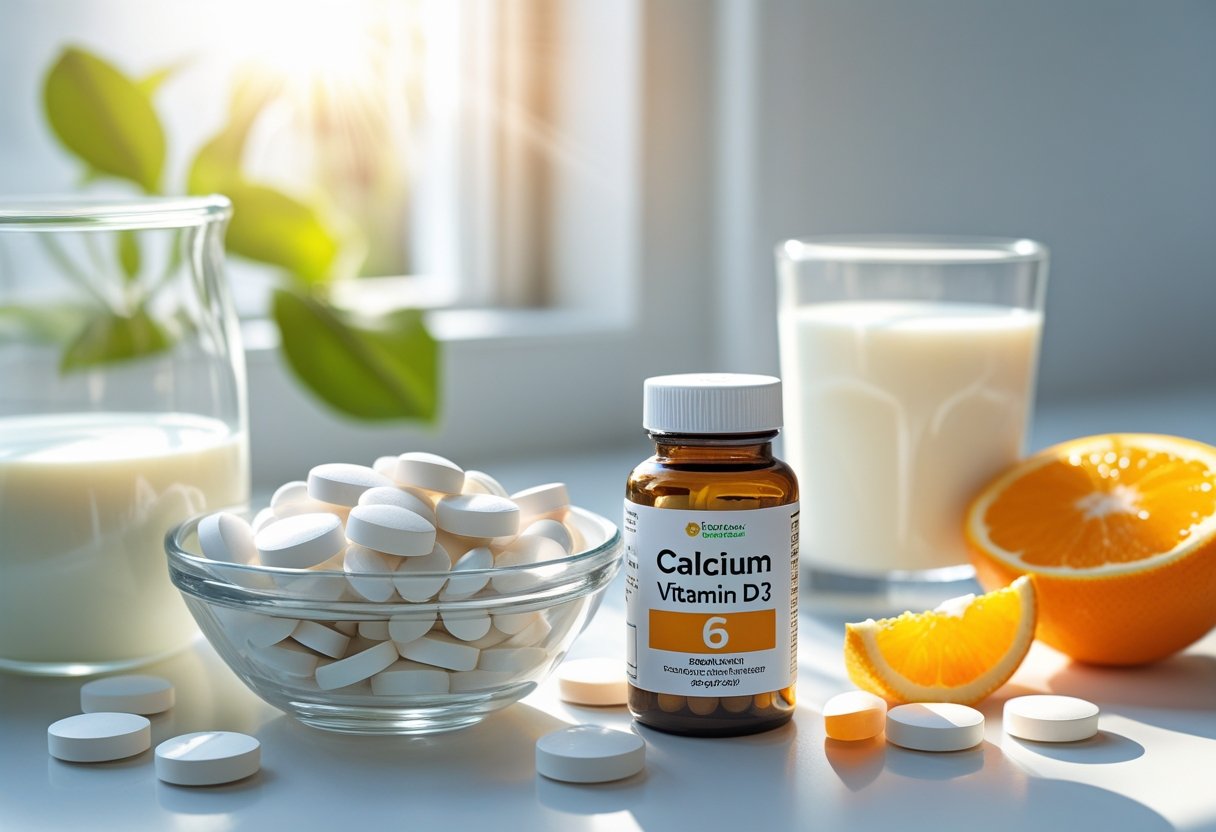
Supplement choice, timing, and dose directly affect how well your body uses calcium and vitamin D3. Safety depends on your health status, other nutrients, and medications, so details matter.
Choosing Calcium and Vitamin D3 Supplements
You will see calcium supplements mainly as calcium carbonate or calcium citrate. Calcium carbonate costs less and works best with food, while calcium citrate absorbs well with or without meals and often suits people with low stomach acid. Common brands include Caltrate (carbonate-based) and Citracal (citrate-based).
For vitamin D supplements, choose vitamin D3 (cholecalciferol) rather than D2, because D3 raises and maintains blood levels more effectively according to dietary reference intakes for calcium and vitamin D. Typical vitamin D3 dosage ranges from 800–2000 IU daily, depending on baseline levels.
Combined products simplify calcium supplementation and vitamin D supplementation, but check labels carefully. Some formulas add magnesium, which supports bone metabolism and may reduce constipation.
Optimizing Absorption and Timing
Your body absorbs calcium in limited amounts at one time. Split doses into 500–600 mg or less to improve uptake. Vitamin D increases intestinal calcium absorption, which explains why adequate levels matter for bone health, as described in vitamin D and calcium absorption research.
Take calcium carbonate with meals to benefit from stomach acid. Calcium citrate fits better if you take acid-suppressing drugs or eat irregularly. Take vitamin D3 with a meal containing fat to improve absorption.
Avoid taking calcium at the same time as iron, zinc, or certain medications. Hydration also matters; dehydration increases the risk of kidney-related side effects.
Potential Side Effects and Interactions
Most people tolerate supplements well, but side effects can occur. Constipation, bloating, and nausea remain the most common issues with calcium supplements, especially carbonate forms, as noted in calcium supplementation safety reviews.
Excess intake can raise blood calcium levels and lead to hypercalcemia, with symptoms such as confusion, muscle weakness, and increased urination. High doses over time may raise kidney stone risk in susceptible individuals.
Calcium and vitamin D can cause drug interactions with thyroid hormones, certain antibiotics, diuretics, and osteoporosis medications. Discuss timing or alternatives with a healthcare provider to reduce interference.
Who Should Monitor or Avoid Supplementation
You should monitor supplementation if you have a history of kidney stones, parathyroid disorders, or chronic kidney disease. People with sarcoidosis or other granulomatous diseases face higher hypercalcemia risk and need supervision.
If you manage cardiovascular health concerns or heart disease, avoid excessive calcium from supplements and prioritize dietary sources, reflecting ongoing clinical debate highlighted in calcium and vitamin D clinical guidance.
Older adults, postmenopausal women, and people with low sun exposure often benefit most, but testing helps guide dose. A registered dietitian or healthcare provider can review your diet, medications, and labs to decide whether supplements are necessary or if food alone meets your needs.
Deficiency, At-Risk Populations, and Long-Term Health Impact

Low intake or poor absorption of calcium and vitamin D3 affects bone strength, mineral balance, and fracture risk. Certain groups face higher risk due to age, skin pigmentation, medical conditions, or long-term medication use.
Vitamin D and Calcium Deficiency Risks
When you develop vitamin D deficiency, your body absorbs less calcium from food, even if intake appears adequate. This imbalance contributes to low bone mass, muscle weakness, and abnormal bone remodeling over time. Clinical reviews describe how inadequate vitamin D levels raise the risk of skeletal problems and may affect other body systems, as outlined in detailed discussions of vitamin D deficiency and health consequences.
Calcium deficiency remains widespread globally and directly limits bone mineralization. Population data show that insufficient calcium intake affects a large share of adults and adolescents, increasing vulnerability to bone loss across the lifespan, as described in analyses of global calcium deficiency patterns.
Children with severe deficiencies may develop rickets, while adults can develop osteomalacia, both marked by soft or poorly mineralized bones.
Osteoporosis, Bone Loss, and Fracture Prevention
Chronic deficiencies accelerate bone loss and increase the likelihood of osteoporosis, a condition defined by fragile bones and elevated fracture risk. You may not notice symptoms until a bone fracture occurs, often in the hip, spine, or wrist. Clinical guidance explains that insufficient vitamin D leads to thin and brittle bones over time, increasing fracture rates, as summarized by the Mayo Clinic’s overview of vitamin D deficiency risks.
Adequate calcium and vitamin D3 intake supports bone density maintenance and reduces age-related bone thinning. This combination plays a preventive role, especially for postmenopausal women and older adults, where bone turnover outpaces bone formation.
Special Considerations for Certain Health Conditions
Some medical conditions interfere directly with nutrient absorption or metabolism. If you have inflammatory bowel disease, fat malabsorption can limit vitamin D uptake, even with supplementation. Chronic inflammation further worsens bone density loss.
Conditions such as sarcoidosis alter vitamin D metabolism and can raise blood calcium levels unpredictably. In these cases, supplementation requires medical supervision to avoid complications. Long-term corticosteroid use also disrupts calcium balance and vitamin D activity, compounding bone loss.
These factors make individualized assessment essential when addressing deficiency risks tied to chronic disease or long-term treatment.
Frequently Asked Questions
Calcium and Vitamin D3 work together to improve calcium absorption, maintain bone density, and reduce fracture risk. Daily needs, dosing ranges, safety during pregnancy, and common side effects vary by age, health status, and total intake from food and supplements.
What are the benefits of taking Calcium and Vitamin D3 supplements together?
You absorb calcium more effectively when Vitamin D3 is present. This pairing supports bone mineral density and helps lower osteoporosis risk, as explained by how vitamin D helps your body absorb calcium.
The combination also supports muscle function and nerve signaling when you meet, not exceed, recommended intakes.
How much Calcium and Vitamin D3 should an adult take daily?
Most adults need 1,000–1,200 mg of calcium per day from food and supplements combined. Many adults also need 600–800 IU of Vitamin D daily, depending on age and sun exposure, according to calcium and vitamin D intake guidelines.
Your clinician may adjust amounts based on blood levels, diet, and bone health.
Can Calcium and Vitamin D3 supplements be taken during pregnancy?
You can take these supplements during pregnancy when recommended by your healthcare provider. Adequate intake supports fetal bone development while helping you maintain your own bone stores, as outlined in calcium and vitamin D requirements for bone health.
Avoid exceeding upper limits unless your clinician advises it.
What is the recommended dosage for Calcium 600mg with Vitamin D3?
Many products provide 600 mg of calcium with 400–800 IU of Vitamin D3 per tablet. You often split doses across the day to improve absorption and tolerance, following guidance on taking calcium and vitamin D together.
Check the label to account for calcium from food and other supplements.
What are the potential side effects of taking Calcium and Vitamin D3 tablets?
You may experience constipation, gas, or bloating, especially at higher doses. Excess intake can raise blood calcium levels, which increases kidney stone risk, as noted in calcium and vitamin D medication guidance.
Drink water regularly and avoid exceeding recommended amounts.
How does the combination of Calcium and Vitamin D3 support bone health?
Calcium provides the mineral structure of bone, while Vitamin D3 regulates absorption and blood calcium balance. Together, they help maintain bone density and reduce age-related bone loss, consistent with evidence on why calcium and vitamin D work better together.
This effect matters most when intake remains consistent over time.