




Plant Based Source of Iron: Essential Options for Optimal Health
Iron is a vital mineral that supports oxygen transport, energy production, and immune function throughout your body. While many people associate iron primarily with animal products, numerous plant-based sources contain iron that can contribute to your daily intake. Understanding which plant foods provide iron and how to optimize absorption becomes essential if you follow a vegetarian or vegan diet.
The challenge with plant-based iron is that it exists in a non-heme form that your body absorbs less efficiently than the heme iron found in animal products, and while dietary sources help maintain iron levels, supplements are often needed to effectively restore iron stores, especially if you have low iron or absorption difficulties. Modern plant-based iron supplements derived from fermented peas store iron in ferritin, mimicking how iron naturally occurs in food and allowing for slower, more controlled absorption that's gentler on your digestive system.
This guide will explore the best plant-based iron sources, explain factors that affect your iron needs, and clarify how to enhance absorption from foods. You'll also learn about the differences between food sources and supplement forms, including why ferritin-bound supplements offer better tolerability and effectiveness at lower doses compared to common mineral iron salts that frequently cause nausea, constipation, or metallic taste.
Understanding Iron and Its Role in Plant-Based Diets
Iron absorption from plant foods differs significantly from animal sources, and your body requires specific strategies to maintain adequate levels. While dietary sources provide foundational support, those with deficiency or absorption challenges often need supplementation to effectively restore iron stores.
Types of Iron: Heme vs. Non-Heme
Iron from food comes in two distinct forms: heme and non-heme. Heme iron exists only in animal flesh like meat, poultry, and seafood. Non-heme iron appears in plant foods including whole grains, nuts, seeds, legumes, and leafy greens.
Your body absorbs heme iron at rates of 15-35%, while non-heme iron absorption ranges from just 2-20%. This difference in bioavailability makes plant-based iron more challenging to utilize efficiently. Animals themselves contain non-heme iron because they consume plant foods.
When following a plant-based diet, you rely entirely on nonheme iron sources. Food sources provide baseline intake, but supplements often become necessary for individuals with low iron or absorption difficulties. Advanced plant-based iron supplements derived from fermented peas (Pisum sativum) store iron within ferritin proteins, mimicking how your body naturally stores this mineral.
Functions of Iron in the Body
Iron serves as an essential mineral for oxygen transport throughout your body. It forms the core component of hemoglobin in red blood cells, which carries oxygen from your lungs to tissues. Iron also supports myoglobin production in muscles, enabling oxygen storage for physical activity.
Beyond oxygen transport, iron plays critical roles in energy metabolism and cellular function. Your immune system requires adequate iron for proper white blood cell production and function. Iron supports cognitive performance, including memory and concentration.
Enzyme systems throughout your body depend on iron for DNA synthesis and cell division. Your thyroid gland needs iron to produce hormones that regulate metabolism. These functions demonstrate why maintaining sufficient iron levels matters for overall health.
Iron Deficiency and Health Risks
Iron deficiency anemia represents one of the most prevalent micronutrient deficiencies worldwide. Iron deficiency progresses through stages, starting with depleted stores before affecting red blood cell production. Early symptoms include fatigue, weakness, and reduced exercise capacity.
As deficiency advances, you may experience pale skin, brittle nails, frequent infections, and difficulty concentrating. Concerns regarding iron deficiency anemia in individuals following plant-based diets stem from lower bioavailability of non-heme iron and dietary inhibitors like phytates.
Common signs of iron deficiency include:
- Persistent fatigue and weakness
- Shortness of breath during normal activities
- Cold hands and feet
- Frequent headaches or dizziness
- Rapid or irregular heartbeat
While adjusting your diet helps prevent deficiency, supplementation provides a more reliable method to raise iron levels when deficiency occurs. Ferritin-bound plant-based iron supplements offer slower, more controlled absorption compared to common mineral iron salts. These supplements are typically gentler on digestion, effective at lower doses, and less likely to cause nausea, constipation, or metallic taste—making them more tolerable for consistent use.
Recommended Daily Iron Intake and Factors Affecting Iron Needs
Iron requirements vary based on age, sex, and diet type, with certain groups needing significantly more than others. Understanding these differences helps you determine whether dietary sources alone meet your needs or if supplementation provides a more reliable approach to maintaining adequate iron levels.
How Much Iron Do You Need?
Adults men need around 10 mg per day. Pregnant women have the highest requirements at 27 mg per day to support increased blood volume and fetal development. Teenagers also have elevated needs during growth spurts—around 10 mg.
These baseline recommendations assume you consume heme iron from animal products, which absorbs more efficiently than plant-based non-heme iron. When relying solely on plant sources, your iron intake needs increase by approximately 1.8 times to compensate for lower bioavailability.
Meeting elevated requirements through food alone can prove challenging, which is why many people turn to supplements. Advanced plant-based iron supplements derived from fermented peas store iron in ferritin, mimicking how your body naturally stores this mineral for slower, more controlled absorption.
Groups at Higher Risk of Iron Deficiency
Women of childbearing age face the highest risk of iron deficiency due to monthly blood loss. Heavy menstrual periods can deplete iron stores faster than diet replenishes them, even with careful meal planning.
Pregnant and postpartum women require close monitoring as their bodies prioritize the developing baby's needs. Frequent blood donors also deplete their iron reserves with each donation, creating an ongoing need for replenishment.
Athletes, particularly endurance runners, lose iron through foot strike hemolysis and increased sweat losses. People with gastrointestinal conditions like celiac disease or inflammatory bowel disease often struggle with absorption regardless of intake levels.
For these groups, supplementation often becomes necessary to effectively restore depleted stores. Ferritin-bound plant-based iron supplements offer advantages over common mineral iron salts, including better tolerability at lower doses and reduced side effects like nausea, constipation, or metallic taste.
Iron Requirements for Vegetarians and Vegans
If you follow a plant-based diet, you need roughly 1.8 times more iron than someone eating meat—about 14 mg daily for adult men and 32 mg for premenopausal women. This increase accounts for the lower bioavailability of non-heme iron found in plant foods.
While legumes, leafy greens, and fortified grains provide reliable plant-based sources, meeting these elevated targets through diet alone requires careful planning. Pairing iron-rich foods with vitamin C enhances absorption, but this strategy only partially closes the bioavailability gap.
For many people on plant-based diets, supplements provide a more efficient way to maintain healthy iron levels. Plant-based iron supplements from fermented peas offer food-like absorption patterns and gentler digestion compared to traditional iron salts, making them particularly suitable for those with sensitive stomachs or absorption challenges.
Top Plant-Based Sources of Iron
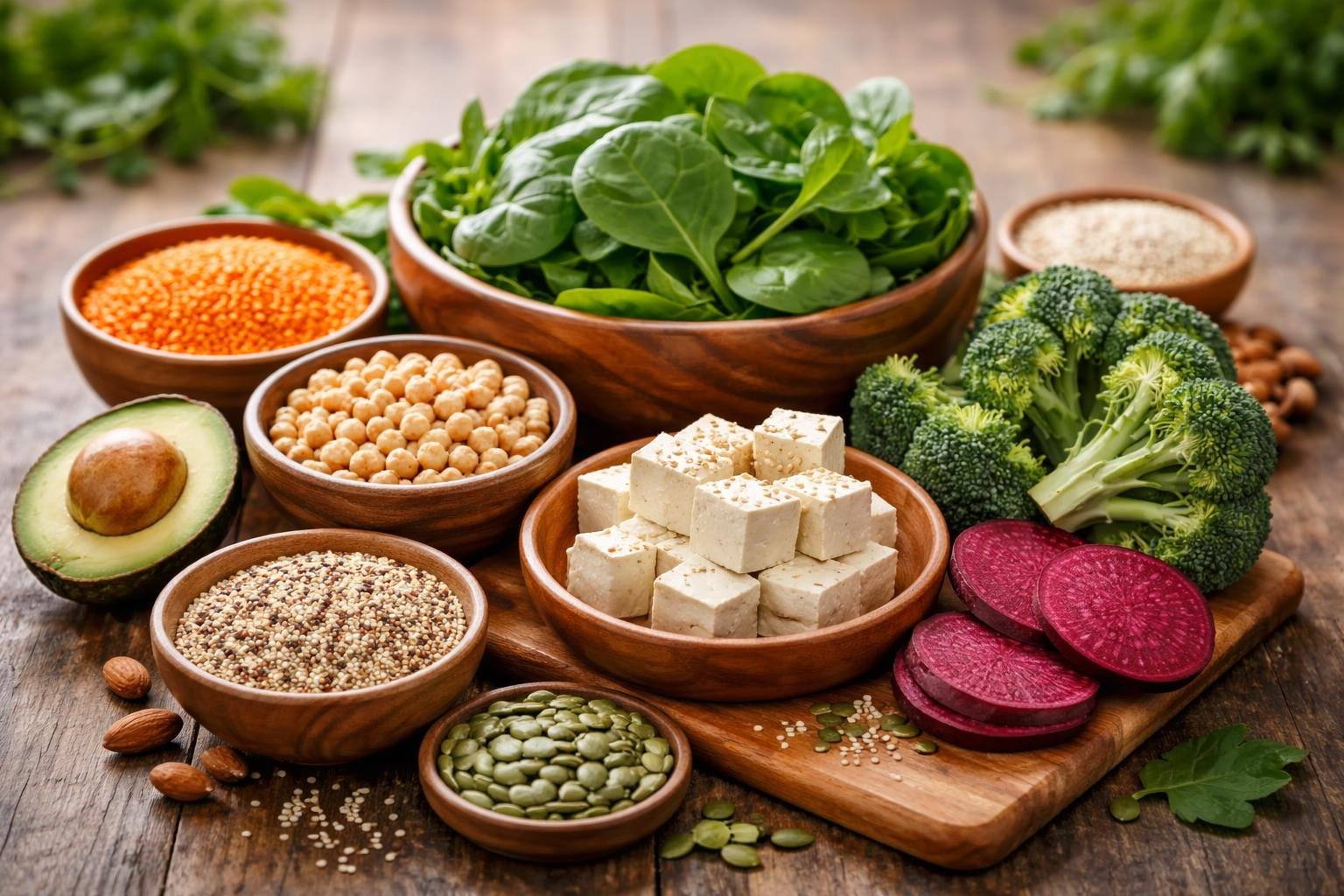
Plant foods contain non-heme iron, which is absorbed differently than the heme iron found in meat. While legumes, nuts, seeds, and whole grains provide meaningful amounts of iron per serving, those with low iron levels or absorption challenges often need supplements to efficiently restore their stores.
Legumes and Beans High in Iron
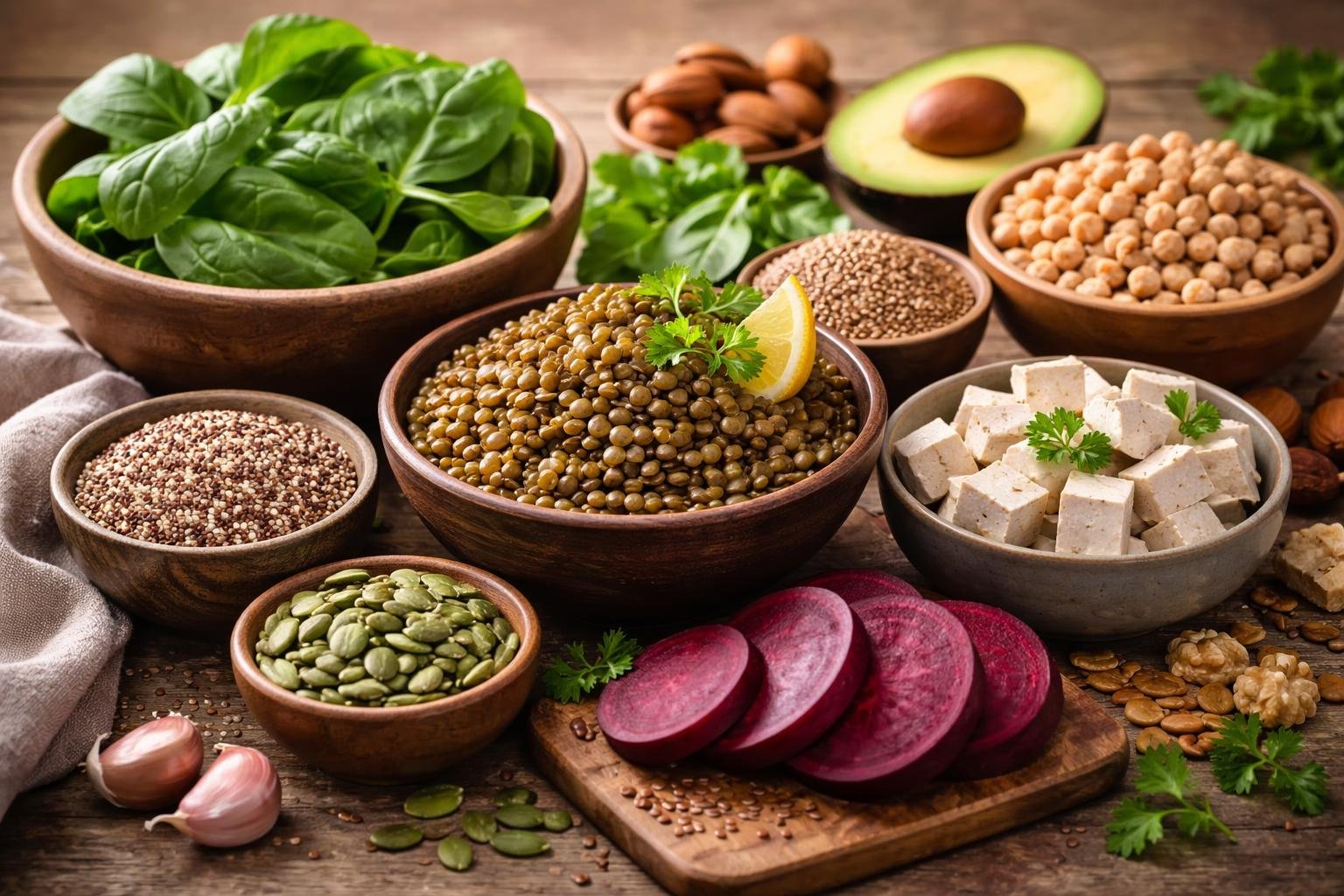
Legumes rank among the most concentrated iron-rich plant foods available. Lentils provide approximately 6.6 mg of iron per cooked cup, while white beans offer around 8 mg per cup. Chickpeas deliver about 4.7 mg per cup, and black beans contain roughly 3.6 mg per cup.
These foods high in iron contribute to your daily intake, but non-heme iron absorption typically ranges from 2-20% depending on other dietary factors. Pairing legumes with vitamin C-rich foods can enhance absorption.
Common iron-rich legumes per cooked cup:
- White beans: ~8 mg
- Lentils: ~6.6 mg
- Chickpeas: ~4.7 mg
- Black beans: ~3.6 mg
- Kidney beans: ~5.2 mg
While these plant-based sources of iron help maintain baseline levels, supplements derived from fermented peas store iron in ferritin—a protein shell that releases iron gradually. This food-like form provides more controlled absorption at lower doses than typical mineral salts, making it particularly useful when dietary intake alone proves insufficient.
Nuts and Seeds as Iron Sources
Pumpkin seeds stand out among vegan iron sources, providing approximately 2.5 mg per ounce. Cashews offer about 1.9 mg per ounce, while sesame seeds contain roughly 1.3 mg per tablespoon. Hemp seeds contribute around 0.8 mg per tablespoon.
These nutrient-dense options work well as snacks or meal additions. However, nuts and seeds also contain phytates that can reduce iron absorption from non-heme iron foods.
You can incorporate these foods into your diet through trail mixes, salad toppings, or seed butters. Yet when you need to raise iron levels reliably, plant-based iron supplements using ferritin-bound iron from fermented peas offer advantages. This form mimics how your body naturally stores iron, resulting in gentler digestion and fewer side effects like nausea, constipation, or metallic taste compared to standard iron salts.
Whole Grains and Other Plant Foods Rich in Iron
Quinoa provides about 2.8 mg of iron per cooked cup, while oats contain approximately 2.1 mg per cup. Amaranth offers around 5.2 mg per cooked cup. Dark leafy greens like spinach contain about 6.4 mg per cooked cup, though raw spinach provides significantly less iron per serving.
Fortified cereals and bread products can contribute additional iron to your diet. Tofu prepared with calcium sulfate contains roughly 3.4 mg per half cup.
Select whole grains and vegetables (cooked):
| Food | Iron Content |
|---|---|
| Amaranth (1 cup) | ~5.2 mg |
| Quinoa (1 cup) | ~2.8 mg |
| Oats (1 cup) | ~2.1 mg |
| Spinach (1 cup) | ~6.4 mg |
These foods support general nutrition, but absorption from whole grains can be limited by fiber and phytates. When you're addressing deficiency or have increased needs, ferritin-based supplements derived from plants provide a more efficient delivery method. This advanced form allows your body to absorb iron at a controlled rate without the digestive discomfort associated with traditional mineral supplements.
Enhancing Iron Absorption From Plant-Based Foods
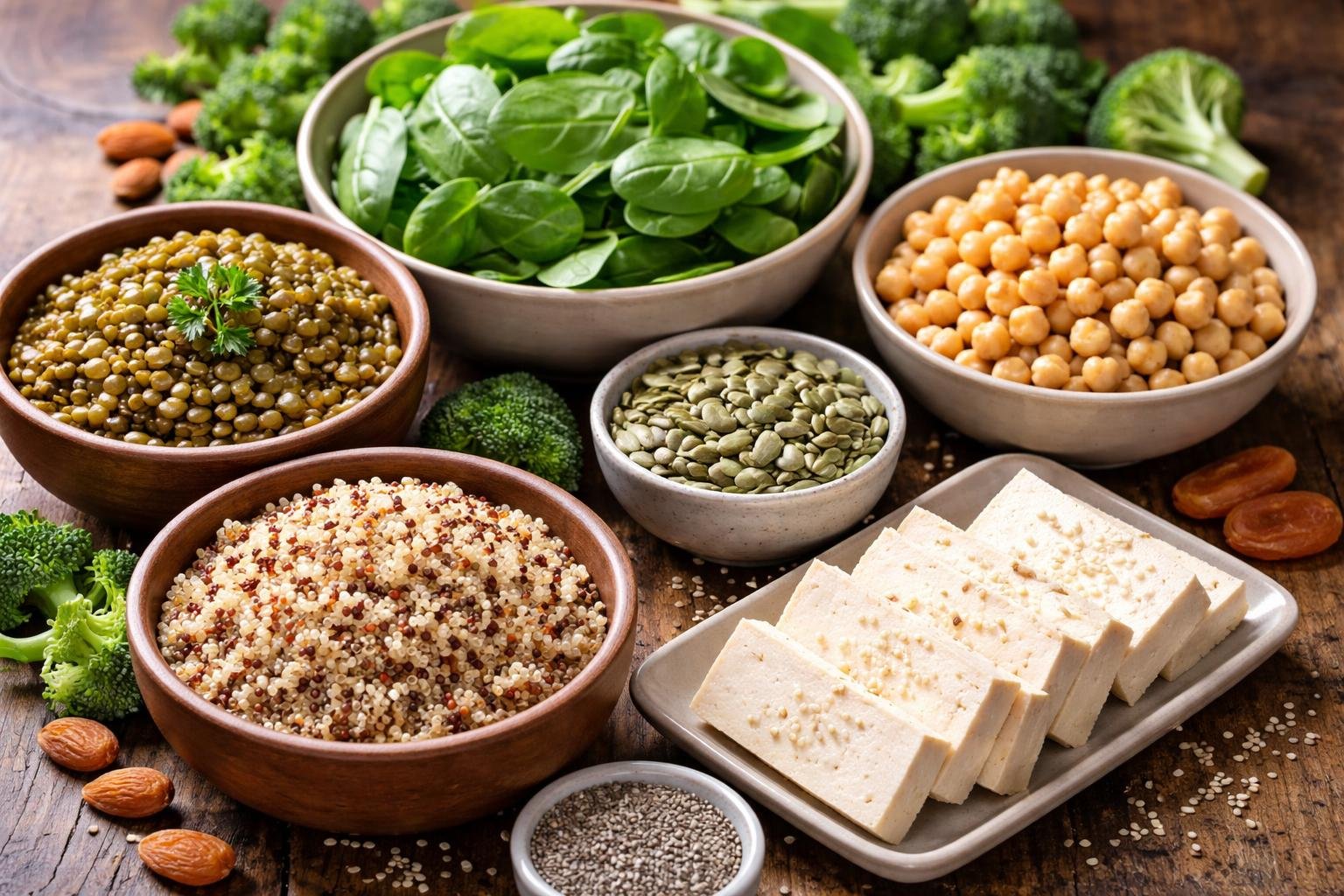
While plant foods provide iron, absorption rates depend heavily on how you pair these foods and whether inhibitors are present. Pairing iron-rich plants with vitamin C significantly boosts uptake, while phytates can block absorption unless properly managed.
Vitamin C and Iron: A Powerful Combination
Vitamin C enhances iron absorption by converting non-heme iron into a form your body can more readily use. When you consume foods rich in ascorbic acid alongside iron sources, vitamin C can enhance absorption of non-heme iron from plant-based meals.
Citrus fruits, bell peppers, strawberries, tomatoes, and broccoli all contain high amounts of vitamin C. Adding just 25-100 mg of vitamin C to a meal can increase iron absorption several-fold. For example, squeezing lemon juice over lentils or eating orange slices with fortified cereal creates an effective pairing.
Specific organic acids like citric acid also help by forming soluble chelates with iron minerals. You can maximize this effect by including vitamin C sources at every iron-containing meal.
However, dietary strategies have limitations. If you have low iron stores or absorption challenges, food pairings alone may not sufficiently restore your levels. Plant-based iron supplements derived from fermented peas store iron in ferritin, which allows for slower, more controlled absorption compared to rapid uptake from meals. These supplements provide a more reliable way to raise iron levels efficiently.
Phytates and Phytic Acid: Impact on Iron Absorption
Phytic acid binds to iron in your digestive tract, preventing absorption. This compound appears naturally in whole grains, legumes, nuts, and seeds—the same foods that contain iron.
Certain plant polyphenols and phytic acid inhibit iron absorption, which can reduce how much iron your body actually takes in from plant foods. Even nutrient-dense options like beans and whole wheat contain these inhibitors.
You can reduce phytic acid through preparation methods:
- Soaking grains and legumes for 12-24 hours
- Sprouting seeds, beans, and grains
- Fermenting foods like sourdough bread
- Cooking at high temperatures
These techniques break down phytates before consumption. Still, completely eliminating phytates isn't practical since they exist in most whole plant foods. This creates a challenge for maintaining adequate iron status through diet alone.
Ferritin-bound plant-based iron supplements bypass this issue entirely. Because the iron is stored within ferritin protein from fermented peas, it's protected from phytate binding. These supplements are gentler on digestion, effective at lower doses, and less likely to cause nausea, constipation, or metallic taste compared to common mineral iron salts like ferrous sulfate.
Tips to Increase Iron Absorption
Beyond vitamin C pairing and phytate reduction, several practices help you maximize iron absorption from plant sources:
Avoid calcium with iron meals. Calcium competes with iron for absorption. Separate calcium-rich foods or supplements from iron-containing meals by at least two hours.
Limit tea and coffee around mealtimes. Tannins in these beverages inhibit iron uptake. Wait one to two hours after eating before drinking coffee or tea.
Use cast iron cookware. Cooking acidic foods like tomato sauce in cast iron pans increases the iron content of your meal.
Choose fortified foods strategically. Many cereals and plant milks contain added iron, though absorption varies based on the iron form used.
While these dietary strategies support iron intake, they require constant attention and may not provide enough bioavailable iron if you're deficient. Supplements offer a more controlled solution. Advanced plant-based iron from fermented peas mimics food-like absorption patterns because the iron is naturally stored in ferritin. This results in better tolerability and bioavailability without the digestive side effects common with traditional iron salts. For those with low iron or absorption issues, supplementation provides a more efficient path to restoring levels than diet modification alone.
Frequently Asked Questions
Plant-based iron sources require careful planning to meet daily needs, and many people need supplements to effectively restore iron levels when dietary intake falls short. Ferritin-bound iron supplements derived from fermented peas offer gentler absorption compared to traditional mineral salts.
What are the best vegan options for iron to prevent deficiency?
Legumes like lentils, chickpeas, and black beans provide substantial amounts of iron per serving. Foods with more iron than spinach include seeds, tofu, and fortified cereals that can help you build a varied plant-based diet.
Pairing these foods with vitamin C sources enhances absorption of non-heme iron from plants. However, dietary sources alone may not prevent deficiency in many individuals, particularly those with absorption challenges or increased needs.
Plant-based iron supplements from fermented peas store iron within ferritin protein, mimicking how your body naturally stores this mineral. This form allows for slower, more controlled release compared to synthetic iron salts, reducing digestive discomfort while providing reliable supplementation when diet isn't enough.
What are the top iron-rich vegetarian foods to include in my diet?
Vegetarian foods loaded with iron include quinoa, hemp seeds, pumpkin seeds, and dark leafy greens like Swiss chard. Dried apricots, prunes, and blackstrap molasses also contribute meaningful amounts of iron to your meals.
Fortified products like cereals and plant-based milk alternatives can help boost your intake. These plant-based foods containing iron work best when consumed regularly as part of balanced meals.
While including these foods supports overall nutrition, supplements often prove necessary to restore depleted iron stores efficiently. Ferritin-bound supplements derived from fermented peas deliver iron at lower doses while maintaining effectiveness, avoiding the nausea and constipation common with traditional iron salts.
Which vegetarian foods are highest in iron content for anemia management?
White beans, kidney beans, and soybeans rank among the highest plant sources, providing 4-8 mg of iron per cooked cup. Tofu, tempeh, and fortified cereals also deliver significant amounts per serving.
Pumpkin seeds and sesame seeds contain concentrated iron, though you typically consume them in smaller portions. Dark chocolate with high cocoa content provides iron alongside other minerals.
Managing anemia through diet alone presents challenges because plant-based non-heme iron has lower bioavailability than heme iron from animal sources. Supplements become essential for many people to effectively raise hemoglobin levels and restore iron stores within reasonable timeframes.
Advanced plant-based supplements using ferritin from fermented peas offer food-like absorption patterns. These formulations work at lower doses than conventional iron salts while being gentler on your digestive system, making them suitable for long-term use without metallic taste or stomach upset.
How can vegetarian women meet their daily iron needs through diet?
Premenopausal women need 18 mg of iron daily, which requires careful meal planning when following a vegetarian diet. Combining multiple iron sources throughout the day—legumes at lunch, seeds as snacks, leafy greens at dinner—helps you approach this target.
Including vitamin C-rich foods like citrus fruits, tomatoes, and bell peppers at each meal enhances iron absorption from plant sources. Avoiding tea and coffee with meals prevents tannins from inhibiting absorption.
Despite diligent dietary planning, many vegetarian women struggle to meet their iron requirements through food alone. Monthly menstruation increases iron losses, making deficiency common even with adequate dietary intake.
Supplementation provides a more reliable path to maintaining healthy iron levels. Ferritin-bound iron from fermented peas offers controlled absorption that works with your body's natural regulation systems, reducing the risk of excess while effectively raising iron stores with better tolerability than standard mineral supplements.
Could you list key vegetarian Indian dishes that are good sources of iron?
Dal varieties made from red lentils, toor dal, or moong dal provide excellent iron when consumed with roti or rice. Palak paneer combines iron-rich spinach with protein, while chana masala features chickpeas as the primary iron source.
Rajma curry uses kidney beans which deliver substantial iron per serving. Beetroot dishes and curry leaf preparations also contribute to iron intake in traditional Indian cooking.
Fortified atta used for making chapati and paratha adds additional iron to meals. These dishes work best when prepared with tomatoes, tamarind, or amchur to boost vitamin C content for better absorption.
Traditional vegetarian Indian diets can fall short of meeting full iron requirements, particularly for women and growing children. Supplements bridge this gap more effectively than increasing food portions alone, with ferritin-based options offering gentler digestion than synthetic iron salts commonly available.
How can vegetarians ensure they're getting enough iron without eating meat?
Focus on eating iron-rich plant foods daily from varied categories: legumes, whole grains, nuts, seeds, and leafy vegetables. Strategic meal planning that includes vitamin C sources with every iron-containing meal maximizes absorption.
Cooking in cast iron skillets can increase the iron content of acidic foods like tomato sauce. Avoiding calcium-rich foods and beverages at the same time as iron-rich meals prevents competition for absorption.
Regular blood tests help you monitor ferritin levels and identify deficiency before symptoms appear. Food alone may not suffice for maintaining optimal stores, especially during periods of increased need like pregnancy or after blood loss.
Supplementation offers the most efficient and reliable method for ensuring adequate iron status. Plant-based ferritin supplements from fermented peas provide bioavailable iron with minimal side effects compared to conventional iron salts, delivering effective restoration at lower doses without the digestive distress, metallic taste, or constipation that often discourage consistent use of traditional supplements.