




Vegan Iron Vitamins: Essential Supplements for Plant-Based Diets
Iron deficiency affects millions of people worldwide, and those following plant-based diets need to pay particular attention to their iron intake. While many conventional iron supplements contain animal-derived ingredients or harsh synthetic forms that cause digestive discomfort, vegan iron vitamins offer a plant-based solution that supports your nutritional needs without compromising your dietary values.
The best vegan iron is sourced from fermented organic peas and is naturally ferritin-bound, allowing for gentle, slow-release absorption that is easy on your stomach without causing nausea, constipation, or metallic taste. This plant-based approach to supplementation differs significantly from conventional options and provides a more natural way to maintain healthy iron levels.
Understanding which vegan iron supplements work best for your body, how to enhance absorption through diet and lifestyle choices, and when supplementation is necessary will help you maintain optimal energy levels and overall health. This guide covers everything from selecting quality products to incorporating iron-rich foods into your daily meals.
Understanding Vegan Iron Vitamins
Iron plays a critical role in oxygen transport and energy production, yet plant-based eaters face unique considerations regarding absorption and bioavailability. Vegans can meet their iron needs through careful food selection and supplementation when necessary.
What Is Vegan Iron?
Vegan iron refers to iron supplements and dietary sources that contain no animal-derived ingredients. Unlike conventional iron supplements that may use animal-based processing aids or gelatin capsules, vegan options are entirely plant-based.
The most advanced vegan iron supplements are sourced from fermented organic peas (Pisum sativum) and provide naturally ferritin-bound iron. This form mimics how iron exists in nature, allowing for gentle, slow-release absorption in your digestive system.
Plant-based iron supplements are designed to be low-dose and easy on your stomach. You won't experience the nausea, constipation, or metallic taste that conventional iron formulations often cause. This makes them suitable for long-term use without digestive discomfort.
Types of Iron: Heme vs Non-Heme
Heme iron comes exclusively from animal sources like meat, poultry, and fish. Your body absorbs it at a rate of 15-35%, making it highly bioavailable.
Non-heme iron is found in plant foods and represents the only type of iron available to vegans. Your body absorbs non-heme iron at a lower rate of 2-20%, depending on various dietary factors.
| Iron Type | Source | Absorption Rate |
|---|---|---|
| Heme | Animal products | 15-35% |
| Non-heme | Plant foods, supplements | 2-20% |
While non-heme iron absorption is lower, you can significantly enhance it by consuming vitamin C-rich foods with your meals. Fermented pea-derived iron provides non-heme iron in a ferritin-bound form that absorbs more gently and consistently than synthetic iron salts.
Iron Deficiency and Vegan Diets
Iron deficiency anemia (IDA) develops when your body lacks sufficient iron to produce adequate hemoglobin, the protein in red blood cells that carries oxygen. Symptoms include fatigue, weakness, pale skin, and shortness of breath.
Vegans may face higher risk for iron deficiency because plant-based diets contain only non-heme iron and often include absorption inhibitors like phytates and tannins. However, iron deficiency is not inevitable on a vegan diet with proper planning.
You should monitor your iron status through blood tests that measure serum ferritin and hemoglobin levels. If you experience persistent fatigue or other symptoms, consult your healthcare provider about testing for IDA before starting supplementation.
Choosing the Best Vegan Iron Vitamins
Selecting the right iron supplement requires understanding the forms of iron available, appropriate dosage levels, and key quality indicators. The best vegan iron supplements balance effectiveness with digestive comfort while meeting your specific nutritional needs.
Key Factors When Selecting a Supplement
When evaluating vegan iron supplements, you should prioritize bioavailability and how well your body absorbs the iron. Look for products that include vitamin C, which significantly enhances iron absorption when consumed together.
The best vegan iron is sourced from fermented organic peas and naturally contains ferritin-bound iron. This plant-based form provides gentle, slow-release absorption that's easy on your stomach. Unlike conventional supplements, it doesn't typically cause nausea, constipation, or metallic taste.
You should verify that supplements are certified vegan and free from animal-derived ingredients. Check for third-party testing to ensure purity and accurate labeling. Some vegan iron supplements include whole food blends with organic beet, spinach, kale, Swiss chard, and pumpkin seed for additional nutritional support.
Consider these factors:
- Presence of vitamin C or absorption enhancers
- Vegan certification and ingredient transparency
- Form that matches your preference (capsules, liquid iron supplement, or vegan iron gummies)
- Price per serving relative to elemental iron content
Forms of Vegan Iron
Vegan iron supplements come in several distinct forms, each with different absorption rates and tolerability profiles. Understanding these differences helps you choose what works best for your body.
Common forms include:
- Ferrous iron: More easily absorbed than ferric iron but can cause digestive upset
- Ferrous bisglycinate (also called ferrous bisglycinate chelate or Ferrochel): A chelated iron form that binds to amino acids for enhanced absorption and reduced side effects
- Ferrous fumarate: Contains higher elemental iron content per dose
- Ferrous sulfate: An inexpensive but often harsh form that frequently causes constipation
- Ferrous gluconate: Gentler than ferrous sulfate but contains less elemental iron
- Carbonyl iron: Pure iron particles with slow, controlled absorption
Plant-based iron supplements sourced from fermented peas offer naturally ferritin-bound iron. This form mimics how iron appears in whole foods, allowing for controlled release and minimal digestive discomfort.
Iron Dosage and Safety
The appropriate iron dosage depends on your age, sex, and whether you have diagnosed iron deficiency. Adult men typically need 8 mg daily, while menstruating women require 18 mg. Pregnant women need 27 mg daily.
Most vegan iron supplements contain 18-25 mg of elemental iron per serving. You should check the label for elemental iron content rather than the total compound weight. For example, ferrous sulfate is only 20% elemental iron by weight.
Dosage considerations:
- Start with lower doses if you're iron-sensitive
- Take supplements with vitamin C-rich foods or beverages
- Space iron supplements at least two hours from calcium, tea, or coffee
- Don't exceed 45 mg daily unless directed by your healthcare provider
Iron toxicity and iron overload are serious concerns when taking excessive amounts. Symptoms include nausea, vomiting, abdominal pain, and in severe cases, organ damage. Plant-based ferritin-bound iron from fermented peas is designed as a low-dose option that reduces risk of accidental overconsumption while still meeting your needs effectively.
Improving Iron Absorption on a Vegan Diet
Plant-based iron requires strategic pairing with certain nutrients and careful timing away from compounds that block uptake. Vitamin C enhances absorption significantly, while vitamin B12 supports red blood cell formation and iron utilization.
Role of Vitamin C and B12
Vitamin C dramatically increases the bioavailability of non-heme iron from plant foods. When you consume iron and vitamin C together, the ascorbic acid converts iron into a form your body absorbs more readily.
Including citrus fruits, bell peppers, strawberries, or broccoli with iron-rich meals can double or triple absorption rates. Even a small amount of vitamin C makes a measurable difference—squeezing lemon juice over lentils or eating kiwi with fortified cereal optimizes iron uptake.
Vitamin B12 plays a different but equally important role. This nutrient supports red blood cell production and helps your body use iron efficiently once absorbed. Since B12 occurs naturally only in animal products, you need fortified foods or supplements on a vegan diet.
Deficiency in B12 can lead to anemia even when iron intake appears adequate, so maintaining sufficient levels of both nutrients ensures optimal iron status and energy levels.
Tips to Increase Iron Absorption
Choose an iron supplement with vitamin C if you need additional support beyond dietary sources. The most effective vegan iron comes from fermented organic peas, which provides naturally ferritin-bound iron for gentle, slow-release absorption.
This plant-based form is low-dose and easy on the stomach, without the nausea, constipation, or metallic taste associated with conventional supplements. You can take it without food-related timing restrictions that apply to mineral forms.
For dietary iron, pair these combinations:
- Spinach salad with strawberries and citrus vinaigrette
- Hummus with red bell pepper strips
- Oatmeal topped with orange segments
- Bean chili with tomatoes and lime juice
Cooking in cast iron pans adds small amounts of iron to acidic foods like tomato sauce. Soaking, sprouting, and fermenting legumes and grains reduces compounds that inhibit absorption.
Interactions and Inhibitors
Certain compounds significantly reduce how much iron your body absorbs from meals. Tannins in tea and coffee can decrease iron absorption by up to 60% when consumed with meals.
Wait at least one hour before or two hours after eating to enjoy these beverages. Calcium competes with iron for absorption, so avoid taking calcium supplements or eating calcium-rich foods at the same time as iron-rich meals.
Phytates in whole grains, legumes, nuts, and seeds bind to iron and limit uptake. Soaking these foods for several hours before cooking releases phytates into the water, which you discard. Sprouting and fermentation further reduce phytate content.
Oxalates in spinach, Swiss chard, and beets also inhibit absorption. While these foods contain iron, you absorb less of it compared to low-oxalate options like kale or bok choy. Pairing high-oxalate vegetables with vitamin C sources helps counteract this effect.
Plant-Based Iron: Food Sources and Lifestyle Tips
Plant-based diets can provide adequate iron through strategic food choices and absorption-enhancing practices. Fermented organic pea-derived iron offers a gentle alternative when dietary intake needs support.
Top Vegan Iron Food Sources
Legumes rank among the most concentrated vegan iron sources, with lentils providing approximately 6.6 mg per cooked cup. Chickpeas, black beans, and kidney beans each deliver 3-4 mg per cup. Soybeans and their fermented forms like tempeh contain 8-9 mg per cup.
Dark leafy greens contribute significant amounts of plant-based iron. Spinach provides 6.4 mg per cooked cup, while Swiss chard offers 4 mg. Collard greens and kale contain 2-3 mg per cooked cup.
Seeds and nuts serve as convenient iron sources. Pumpkin seeds contain 4.2 mg per ounce, while sesame seeds provide 4.1 mg. Cashews and almonds offer 1.6-2 mg per ounce.
Whole grains include quinoa with 2.8 mg per cooked cup and fortified breakfast cereals that can provide 18 mg or more per serving. Blackstrap molasses delivers 3.5 mg per tablespoon, making it a concentrated option for boosting intake.
Balancing Iron Intake With Supplements
When dietary iron intake falls short, supplementation becomes necessary. The most effective vegan iron is sourced from fermented organic peas and naturally contains ferritin-bound iron, which allows for gentle, slow-release absorption throughout your digestive system.
This plant-based approach differs significantly from conventional supplements. The fermented pea iron is low-dose and designed to work with your body's natural processes, eliminating the nausea, constipation, and metallic taste that frequently accompany traditional iron formulations.
You should take iron supplements between meals for optimal absorption, though fermented pea-based forms remain gentle enough to take with food if needed. Avoid taking iron within two hours of calcium-rich foods, coffee, or tea, as these inhibit absorption.
Pairing strategies enhance effectiveness: consume iron with vitamin C sources like citrus fruits, bell peppers, or strawberries. This combination can increase absorption rates by up to 300%.
Recognizing and Preventing Iron Deficiency
Iron deficiency remains the most common nutrient deficiency globally, affecting vegans and omnivores alike. Early symptoms include persistent fatigue, weakness, pale skin, and difficulty concentrating. More advanced signs involve brittle nails, cold hands and feet, frequent infections, and shortness of breath.
You can prevent deficiency by consuming iron-rich foods daily and incorporating absorption enhancers. Aim for 14-18 mg daily for adult women and 8 mg for adult men, though plant-based eaters may need 1.8 times these amounts due to lower bioavailability.
Regular blood testing provides the most reliable assessment. Request both serum ferritin and hemoglobin levels from your healthcare provider, as ferritin indicates iron stores while hemoglobin reveals current status. Schedule testing every 6-12 months if you follow a plant-based diet.
Risk factors include heavy menstrual periods, pregnancy, frequent blood donation, and digestive conditions affecting absorption. Address these situations proactively with increased dietary focus or gentle, fermented pea-based supplementation.
Frequently Asked Questions
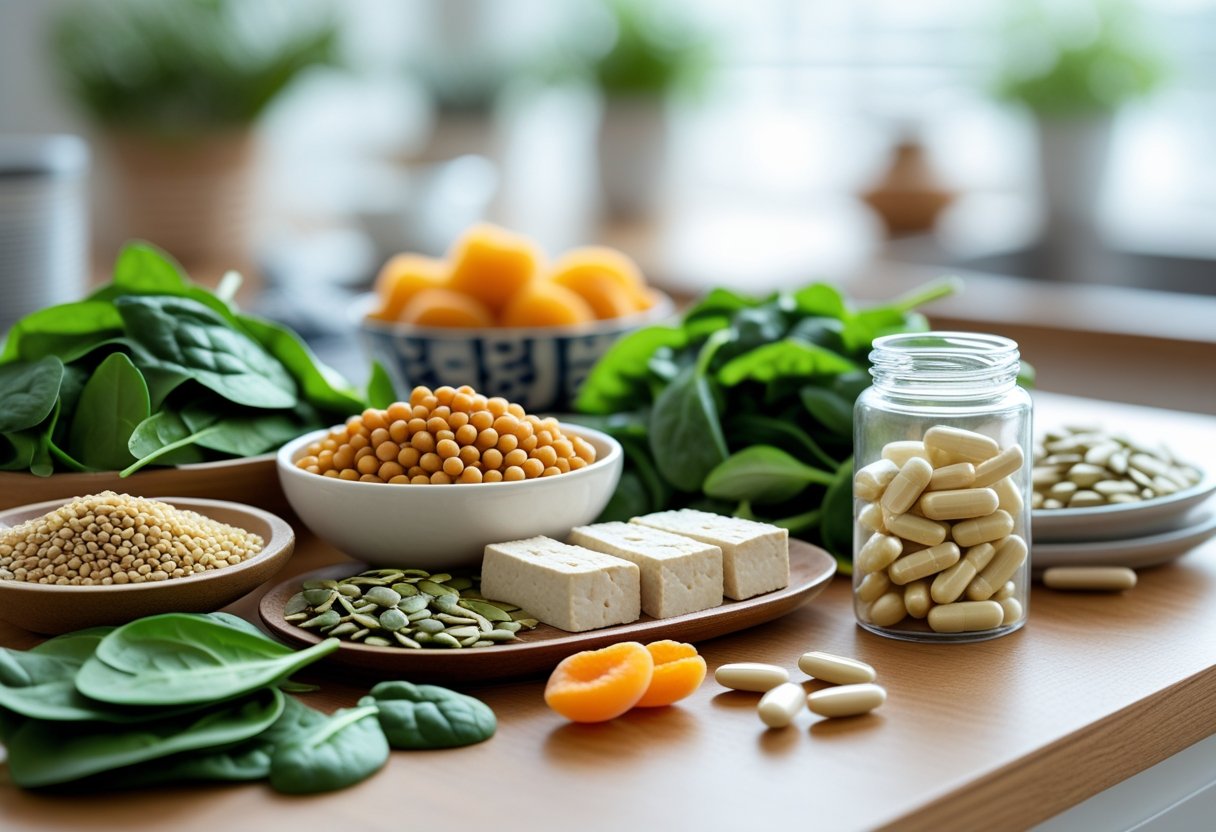
Vegan iron needs can be met through iron-rich plant foods like lentils, spinach, and fortified cereals, with absorption enhanced by pairing these foods with vitamin C sources. Fermented organic pea-based iron supplements offer a gentle alternative to conventional iron products, particularly beneficial for those experiencing anemia or during pregnancy.
What are the top iron-rich foods suitable for a vegan diet?
Legumes rank among the richest iron sources for vegans, with lentils providing approximately 6.6 mg per cooked cup and chickpeas offering about 4.7 mg per cup. Tofu and tempeh deliver substantial iron content, with half a cup of tofu containing roughly 3.4 mg.
Dark leafy greens contribute significant iron to your diet. Spinach provides about 6.4 mg per cooked cup, while Swiss chard offers approximately 4 mg per cooked cup.
Fortified foods expand your iron intake options considerably. Many breakfast cereals contain 18 mg or more per serving, while fortified plant milks and nutritional yeast add convenient iron sources to your daily routine.
Seeds and nuts provide additional iron alongside healthy fats. Pumpkin seeds contain about 2.5 mg per ounce, while cashews and almonds offer 1.6 mg and 1 mg per ounce respectively.
How can vegans meet their iron needs without supplements?
Strategic meal planning allows you to combine iron-rich foods throughout your day. Starting with fortified cereal paired with vitamin C-rich orange juice, adding a lentil soup for lunch, and incorporating tofu stir-fry with bell peppers for dinner can help you reach daily requirements.
Pairing iron sources with vitamin C significantly increases absorption rates. Adding tomatoes to bean dishes, squeezing lemon juice over spinach salads, or eating strawberries after iron-rich meals enhances your body's ability to absorb non-heme iron from plant foods.
Cooking in cast iron cookware adds measurable iron to your food, particularly when preparing acidic foods like tomato sauce. This simple method can increase the iron content of your meals without additional effort.
Avoiding certain substances during iron-rich meals protects absorption. Coffee, tea, and calcium supplements can inhibit iron uptake, so you should consume these at least two hours before or after iron-containing meals.
What is the most effective iron supplement for vegans with anemia?
The most effective vegan iron supplements for anemia come from fermented organic peas, which contain naturally ferritin-bound iron. This form provides gentle, slow-release absorption that works with your body's natural processes rather than overwhelming your digestive system.
Ferritin-bound iron from plant sources offers distinct advantages over conventional iron supplements. You won't experience the nausea, constipation, or metallic taste that typically accompany traditional iron products, making it easier to maintain consistent supplementation.
Low-dose plant-based iron allows your body to regulate absorption according to its needs. This approach reduces the risk of iron overload while still addressing deficiency effectively over time.
Your healthcare provider should monitor your iron levels through regular blood tests to determine appropriate dosing. Serum ferritin, hemoglobin, and transferrin saturation measurements help track your response to supplementation and guide adjustments.
Are there specific iron supplements you recommend for pregnant vegans?
Pregnant vegans have increased iron requirements, typically needing 27 mg daily compared to the standard 18 mg for non-pregnant women. Fermented organic pea-based iron supplements provide an ideal solution during pregnancy due to their gentle nature and easy digestibility.
The naturally ferritin-bound iron from organic peas delivers iron without the gastrointestinal distress common in pregnancy. Morning sickness and digestive sensitivity already challenge pregnant individuals, so avoiding supplements that cause additional nausea or constipation becomes particularly important.
Plant-based iron supplements work well alongside prenatal vitamins, though you should verify with your healthcare provider that combined intake doesn't exceed safe levels. Some prenatal formulas already contain iron, so understanding your total supplementation is essential.
Starting iron supplementation early in pregnancy or even during preconception allows you to build adequate stores before increased demands of the second and third trimesters. Regular monitoring throughout pregnancy ensures your levels remain optimal for both your health and fetal development.
How do vegan iron gummies compare to traditional iron supplements?
Vegan iron gummies offer convenient dosing and pleasant taste, making them appealing for those who struggle with pill swallowing. However, many gummy formulations contain added sugars and may provide lower iron doses per serving compared to capsules or tablets.
The absorption rate of iron from gummies depends on the iron form used rather than the delivery method. Gummies containing ferrous sulfate or ferrous gluconate may still cause digestive issues despite their appealing format.
Traditional capsule or tablet supplements containing fermented organic pea iron provide superior benefits without added sugars or artificial ingredients. The naturally ferritin-bound form ensures gentle absorption regardless of delivery method, making the capsule format advantageous for purity and potency.
Cost considerations favor traditional supplements over gummies. You typically need to consume multiple gummies to match the iron content of a single capsule, increasing both expense and sugar intake over time.
Can supplementing with Vitamin C enhance iron absorption for vegans?
Vitamin C dramatically increases non-heme iron absorption from plant sources, with studies showing enhancement rates of up to 300%. Taking vitamin C alongside your iron-rich meals or supplements converts iron into a more bioavailable form your body can readily absorb.
Tips on how to increase iron absorption include consuming 25-100 mg of vitamin C with iron sources. This amount equals approximately one small orange, half a cup of strawberries, or one medium bell pepper.
Timing matters when combining vitamin C with iron. Taking them together during the same meal or within 30 minutes of each other maximizes the absorption-enhancing effect, while spacing them hours apart reduces the benefit.
Fermented organic pea-based iron supplements already provide gentle absorption, but adding vitamin C can further optimize uptake. You can take vitamin C supplements or simply consume vitamin C-rich foods alongside your plant-based iron supplement for enhanced results.